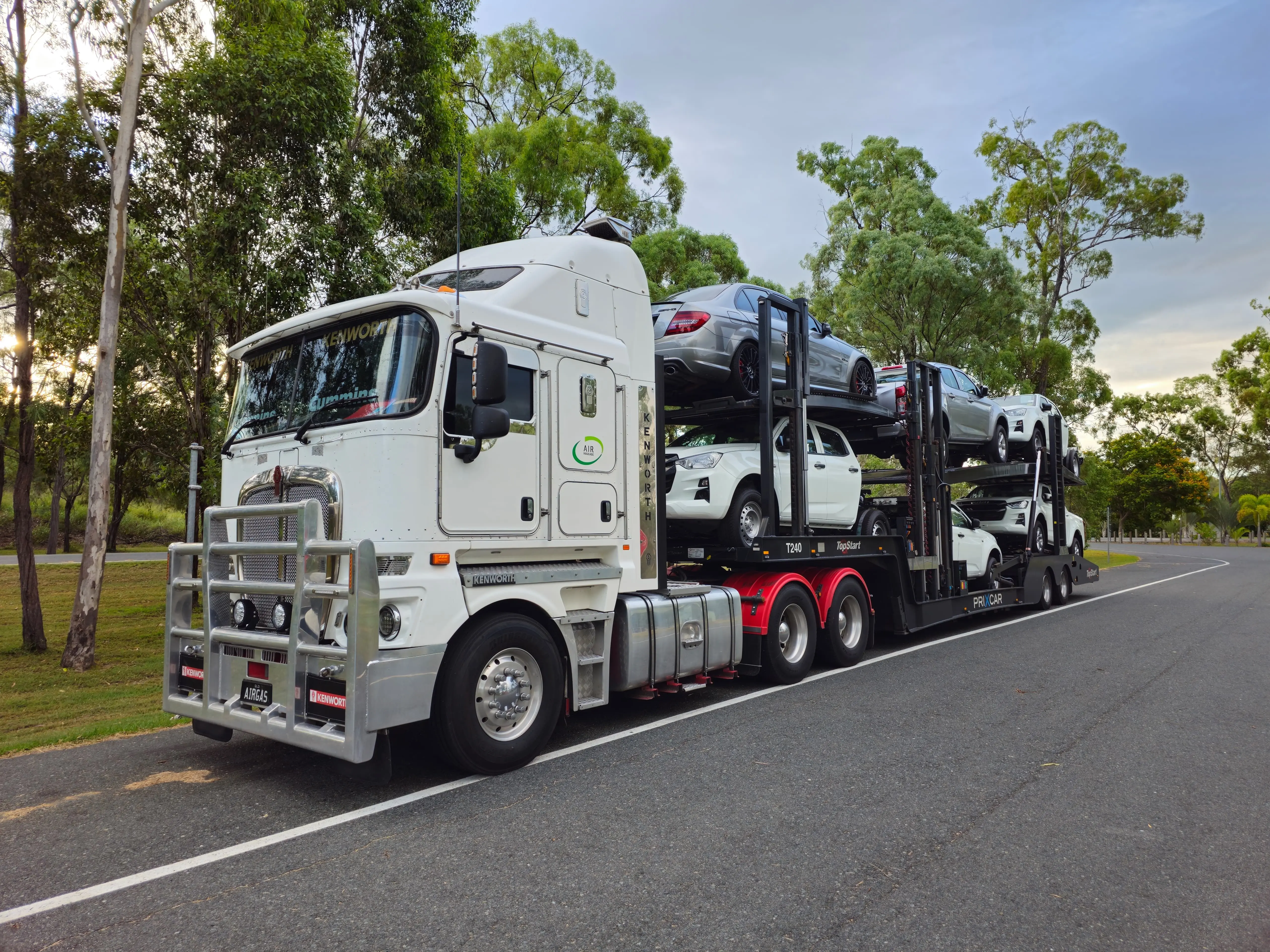
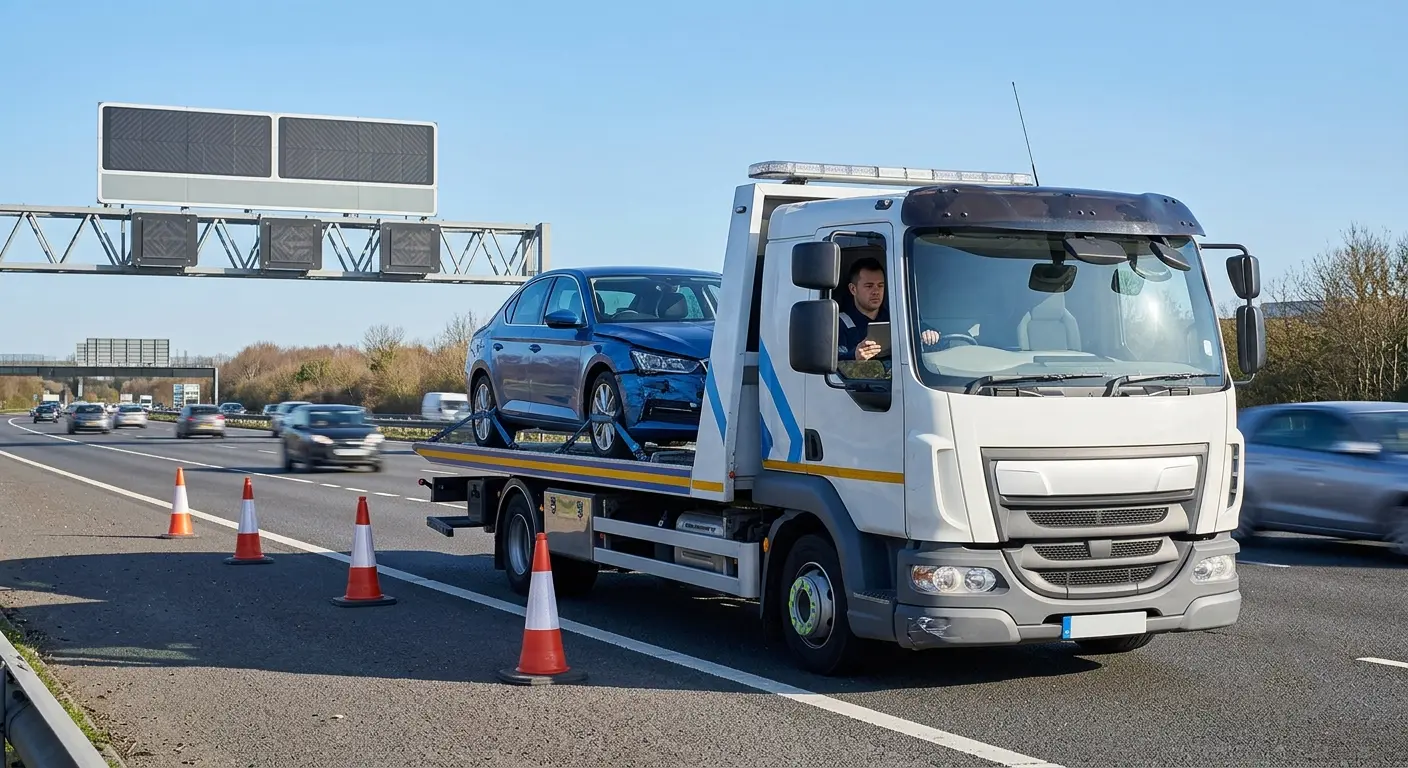
A car that will not start is not always broken — sometimes it has simply stood too long. Either way, the only way to move it is to load it. We transport non-running vehicles across Ávila, including those that will not roll, those with seized brakes, and those that have sat in a garage for years.
Winter shapes operations in Ávila. Frost, snow on the mountain passes and reduced visibility force route and timing adjustments, and occasionally mean waiting until conditions allow the work to be done safely.
Moving a vehicle in Ávila: what to know
It helps to set the context before going into detail. Ávila is Spain's highest provincial capital, with cold winters and regular snowfall. The medieval walls restrict vehicle access to the historic core.
The AP-6 and N-403 link it to Madrid across the Central System mountains. There is more background on the city in its Wikipedia entry.
Moving a car that has not run in years
Cars stored for years in garages, on land or in outbuildings usually have the parking brake seized by corrosion. It is the most common complication and the one that most often forces improvisation when it has not been mentioned.
It is also common for the vehicle to be surrounded by stored items or wedged into a space it has not left in a long time. Clearing access before the appointment saves a significant part of the job time.
The key question: does it roll?
When arranging transport for a stationary vehicle, the first thing we ask is whether the wheels turn freely, whether the steering moves and whether the handbrake is off. Those three answers determine what equipment is needed.
A vehicle that rolls goes onto the truck by winch without complication. One with locked wheels needs skates — rolling platforms placed under each affected wheel — and that adds time to the job.
Garages, scrapyards and fleet management
Garages, dealerships and traders move non-runners regularly: part-exchanges, vehicles awaiting repair, cars destined for dismantling. For them the decisive factor is not the one-off price but reliability of timing.
Grouping several vehicles into one job reduces the cost per unit appreciably. Where there is recurring volume, planning moves in batches is almost always more efficient than handling them one at a time.
The cost of moving a vehicle that does not run
A realistic quote for a stationary vehicle needs three things: origin and destination, rolling condition, and access. With those, a fixed price can be given that will not change afterwards.
On long-distance moves the cost per kilometre falls noticeably. Moving a vehicle from one end of the country to the other does not cost proportionally the same as a short urban job.
Rural dispersion around Ávila often makes grouping nearby collections into one job the most sensible approach.
The administrative side of the job
The usual documents are the registration certificate and identification of the keeper, or a signed authorisation. After a recent purchase, the sale contract or receipt is worth bringing too.
A vehicle can be transported even without a valid ITV or insurance, precisely because it travels on a flatbed. What it cannot do is drive itself, and that is the whole reason the service exists.
How your vehicle is covered while it is being moved
A properly run move records the vehicle's condition before loading, normally photographically, and records it again at delivery. That evidence is what settles any later disagreement quickly.
It is worth confirming the company holds the relevant transport authorisation with the Spanish Ministry of Transport and a current policy. That is the difference between a professional service and someone with a hired trailer.
Regulations that apply to moving a vehicle
A vehicle without a valid ITV, without insurance, or on temporary deregistration cannot legally be driven on public roads. The Dirección General de Tráfico (DGT) is unambiguous here, and the penalty falls on the registered keeper. Moving it by truck is not a matter of preference — it is the only lawful option.
Royal Decree 920/2017 governing the ITV roadworthiness test sets out the narrow circumstances in which a vehicle may travel to a test station, and outside that specific case driving it is prohibited. That distinction is worth understanding before assuming you can drive to the garage.
What counts as a non-running vehicle
A non-runner is any vehicle that cannot move under its own power: it will not start, will not select a gear, has locked steering or seized brakes. It does not necessarily mean the vehicle is damaged, only that right now it does not work.
The category covers very different situations, from a car that has sat in a garage for two years to one with a seized engine or a broken gearbox. What they share is that the only way to move them is on a transporter.
Other services in Ávila
You can read more about non-runner transport or browse all our services. For a specific quote in Ávila, the quickest route is to get in touch.
Points to review in Ávila
Battery condition matters even for a transport job. If the vehicle has to move a few metres under its own power to get out of a garage or a parking bay, a live battery saves time and avoids resorting to auxiliary equipment.
If the collection is from a building with a communal garage, tell the manager or concierge. A transporter manoeuvring on a shared ramp without warning creates avoidable friction with neighbours.
If the vehicle contains fuel cans or any flammable material, remove it beforehand. Dangerous goods transport is governed by its own regulations and cannot travel mixed in with the vehicle.
If the move includes a sea crossing, check what documentation the ferry operator requires for the vehicle. The registration document and owner details are usually needed, and a missing paper means missing the sailing.
If you are selling the vehicle and the buyer arranges transport, put in writing when responsibility passes. It is normally at key handover, but both parties benefit from having it stated.
On moves crossing several autonomous communities, bear in mind that heavy vehicle driving restrictions vary at weekends and on public holidays. That can affect the specific delivery day.
Bear in mind that in peak periods — summer, or the start and end of the season — lead times stretch. Booking ahead is the simple way around it.
Before confirming, check the quote is fixed rather than an estimate subject to surcharges. Extras for difficult access or a non-rolling vehicle should be clear from the outset.
Always ask whether the price covers collection and delivery at the points you need, or refers to a terminal-to-terminal move. The difference in cost and convenience is considerable.
Leave the fuel tank low, around a quarter. It reduces weight, follows standard transport practice, and there is nothing to gain from a full tank during the journey.
Know where the spare wheel and tools are if the vehicle carries them. On long moves, a loose item in the boot shifts during the journey and can damage the interior or the trim.
If the destination is an ITV test station, confirm you have a booked appointment and the time. Matching the vehicle's arrival to the appointment slot avoids long waits and a second visit.
On classic vehicles with carburettors or older systems, say whether the engine needs any particular starting procedure. If it has to be moved even a few metres, that information saves time.
Check whether your own policy covers the vehicle while it sits at a third-party workshop or compound. It is a frequent gap between the end of transport and the start of repair, and worth clarifying.
On vehicles with large-diameter wheels and low-profile tyres, the approach to the ramps needs more care. It is worth mentioning so the right angle is prepared and the tyre or rim is not scuffed.
An accessible collection point saves both time and money. If the street is narrow or the garage has restricted headroom, agreeing a nearby spot where the truck can manoeuvre simplifies everything.
On long moves, asking how many loading and unloading points the truck has helps explain the timescale. A truck making several stops takes longer than a direct run.
Get the name and number of the driver handling the job, or at least a direct operational contact. On the day, being able to resolve a question in two minutes prevents an hour of waiting.
If you need the vehicle by a fixed, immovable date, say so when booking rather than afterwards. With enough notice it can almost always be accommodated; with twenty-four hours, often not.
On keyless-start vehicles, remember the fob must travel with you or be handed over at the destination, but never left inside the car in transit. It is a more common oversight than you would think and leaves the vehicle locked on arrival.
Photograph the vehicle before loading, including all four corners, the roof and underneath if you can. It takes two minutes and settles any later disagreement about a scratch.
Check the handbrake works and that the vehicle can be secured on the deck. If it cannot, there are solutions, but it is better known in advance.
Keep the job reference or delivery note. If you later need to evidence the move to an insurer, a workshop or the authorities, that document proves when and how the vehicle was moved.
If the vehicle will sit on a public street waiting for collection, check there are no timed restrictions or scheduled clearing on that road. A car towed by the local authority while waiting for transport complicates matters considerably and adds costs nobody planned for.
Keep the job documentation recording the vehicle's condition. It is the reference point if a question about damage and its timing comes up later.
Check the overall height if the vehicle is a van, a camper or a 4x4 with roof accessories. The vehicle's height plus the deck height determines what the loaded truck can pass under.
Before the truck arrives, take the documentation, spare keys and anything valuable out of the vehicle. It travels unaccompanied, and items left inside are not covered as luggage.
Be wary of quotes well below market rate. In vehicle transport, a low price usually means no goods-in-transit insurance, no operating authorisation, or neither.
In summary
If you need a vehicle moved in Ávila, the most useful thing is an assessment of your specific situation. We give you a total price and a realistic timescale, not a per-kilometre rate that grows later.
Quote for your non-runner in Ávila
We load non-rolling vehicles with winch and skates. Describe the situation and we will sort it.