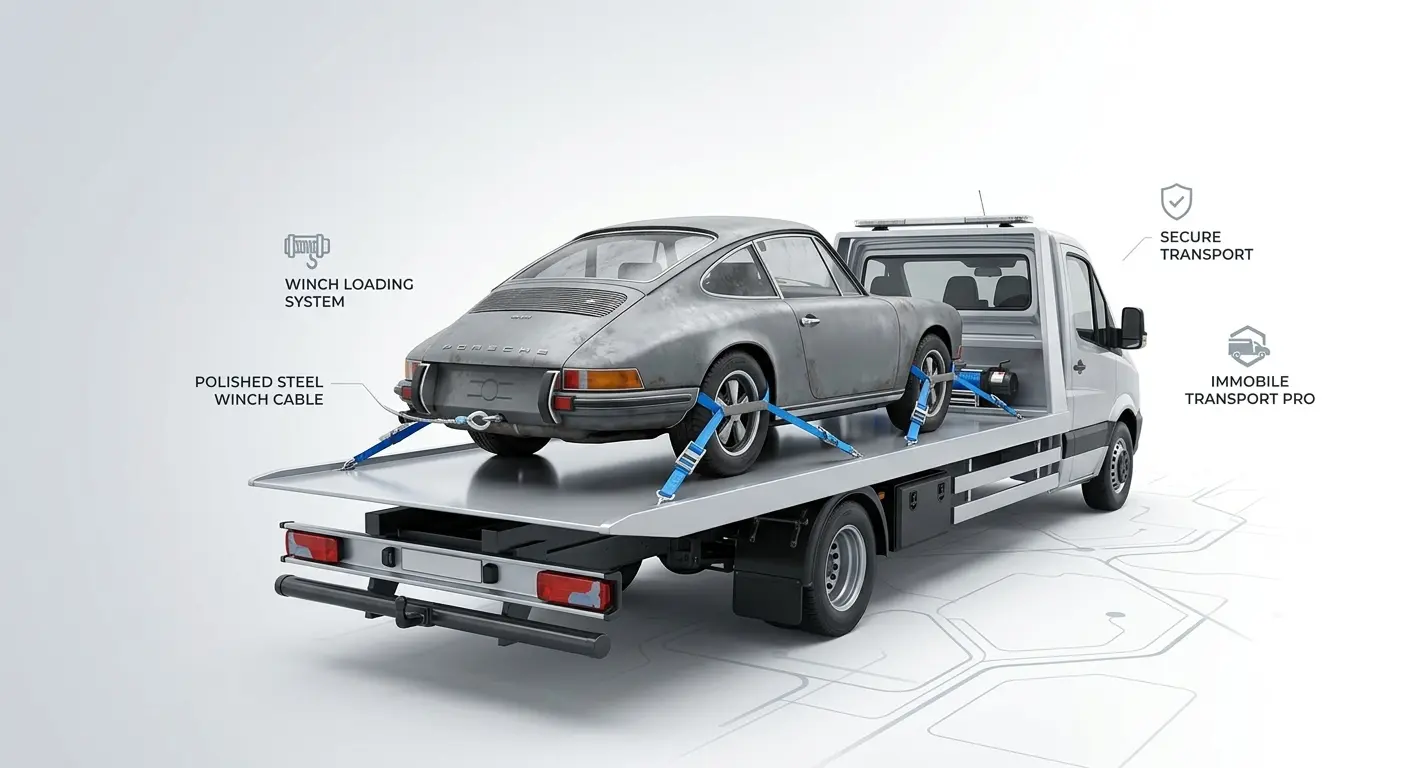
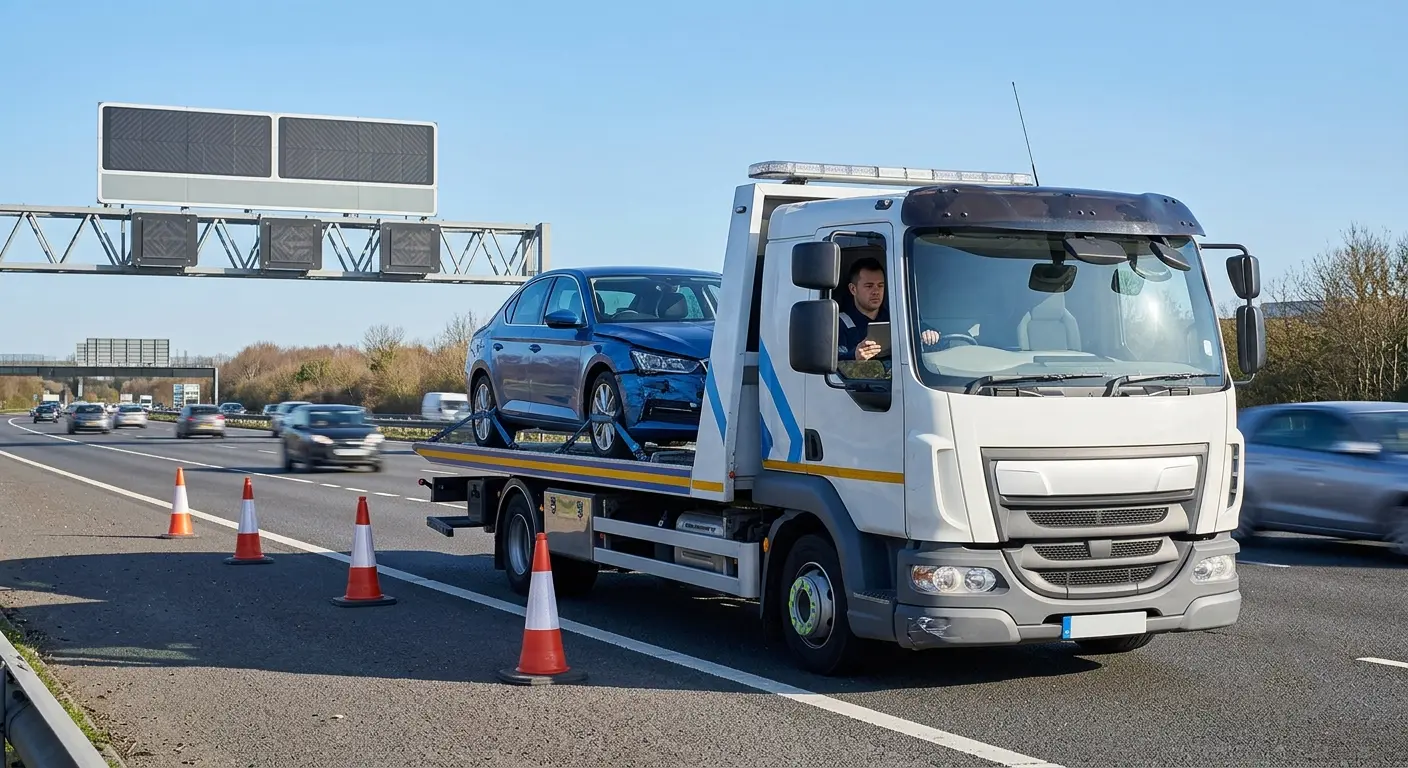
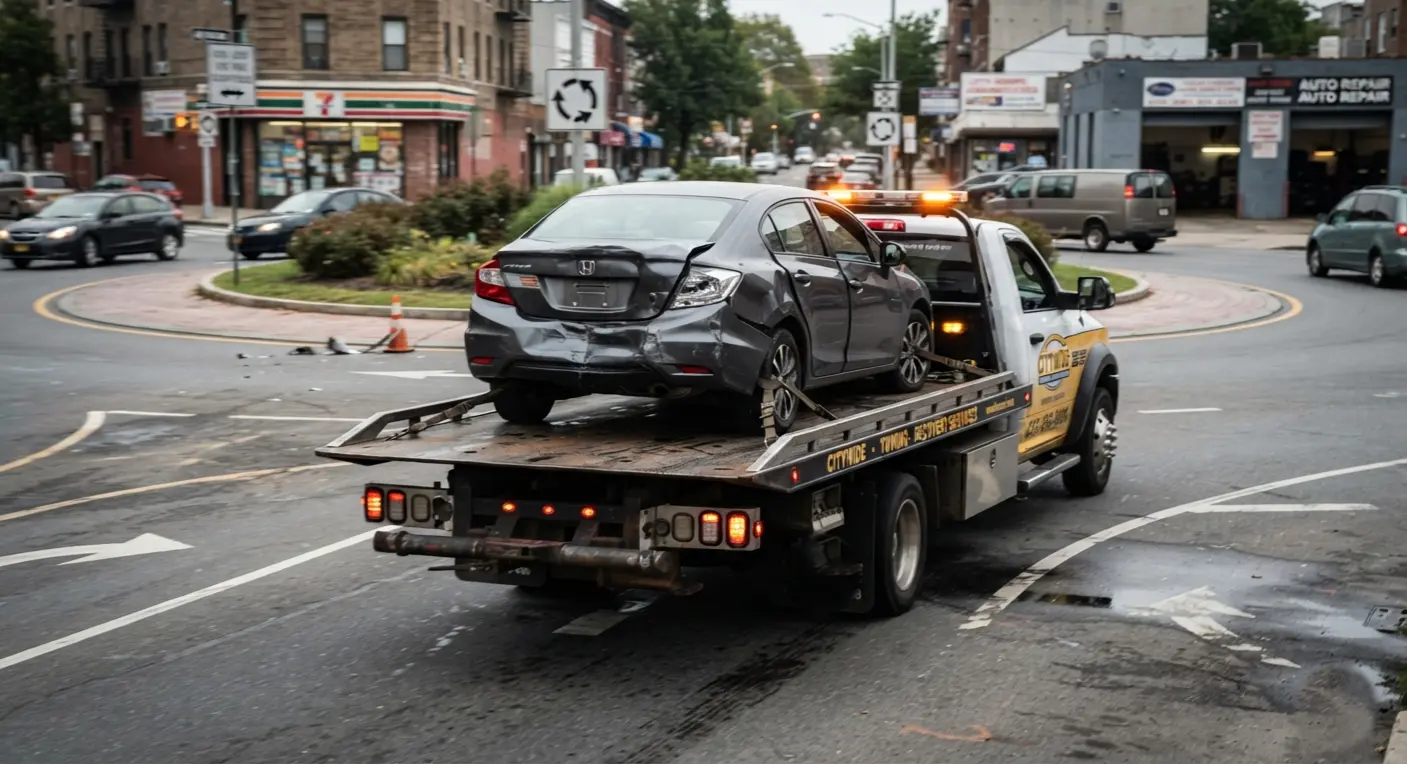
Motorcycle transport concentrates its risks in two moments: loading and strapping. A badly angled ramp and a 250-kilo adventure bike end with a machine on the ground. In Valladolid we do that work with the right equipment rather than improvising with hardware-store straps.
Valladolid lives on the motor industry, and that shows in the type of work: alongside private owners there are dealerships, workshops and fleets needing several vehicles moved at once to tight deadlines.
What makes Valladolid different
It helps to set the context before going into detail. Valladolid has a long car manufacturing tradition and a well-established supplier network around it. It sits where the A-6, A-62 and A-601 meet, with good links north and towards Madrid.
The plateau's continental climate brings winter frosts that affect day-to-day operations. There is more background on the city in its Wikipedia entry.
Preparation before the move
Before transport, remove everything detachable: panniers, top box, GPS, intercom and any loose accessory. Bring the fuel level down and disable the alarm if fitted.
Photographing the bike from several angles is worthwhile, including fairing details and wheel rims. On motorcycles, where a scratch is highly visible, that record prevents any later dispute.
Strapping: where the job is won or lost
Securing a motorcycle aims at two things: that it cannot move, and that the suspension is not working during the journey. A chock fixing the front wheel plus straps holding moderate, constant compression achieves both.
Over-compressing the forks for hours is not good either, as it fatigues seals and springs. The right balance comes from experience, and it is one of the differences between professional transport and improvising with hardware-store straps.
Following a motorcycle accident
A bike that has gone down usually shows damage on one side — lever, footpeg, fairing or exhaust. What matters is what cannot be seen, particularly if the impact was frontal or the front wheel struck a kerb.
Before loading, we check whether the wheel turns freely and whether the steering moves through its full travel. If either fails, loading needs additional equipment.
The price of motorcycle transport
A fixed price needs four things: origin, destination, approximate model and condition. With those the job can be confirmed without extras appearing later.
On long journeys the cost per kilometre falls markedly. For a bike facing an 800-kilometre ride, transport often pays for itself on avoided wear alone.
Moving several vehicles in a single job is common in Valladolid, which brings the cost per unit down against individual transfers.
Scooters, adventure bikes, cruisers and sports bikes
An urban scooter, a large adventure bike, a long low cruiser and a fully faired sports bike each need a different approach. Weight, weight distribution, available anchor points and the fragility of exterior components all change.
Cruisers, with their long wheelbase and low ground clearance, are among the trickiest to load. Sports bikes present the opposite problem: full fairings leave few places to strap without risking damage to plastics.
When there is more than one bike to move
For motorcycle dealers and workshops, recurring moves are part of operations — showroom units, trade-ins, machines in for repair. Planning in batches optimises the cost.
Where several bikes share a destination, grouping them reduces the total appreciably. Where destinations differ but lie on the same route, that can usually be optimised too.
Cover and liability during transport
A properly run move records the vehicle's condition before loading, normally photographically, and records it again at delivery. That evidence is what settles any later disagreement quickly.
It is worth confirming the company holds the relevant transport authorisation with the Spanish Ministry of Transport and a current policy. That is the difference between a professional service and someone with a hired trailer.
The legal position: when transport stops being optional
Spanish law draws a clear line between a vehicle fit for the road and one that is not. Where the ITV has lapsed, insurance has ended, or the vehicle is on temporary deregistration, driving it stops being legal and the Dirección General de Tráfico (DGT) can penalise it.
Beyond Royal Decree 920/2017 governing the ITV roadworthiness test, road transport of vehicles is subject to operating requirements overseen by the Spanish Ministry of Transport, including transport authorisation and goods-in-transit insurance.
Other services in Valladolid
There is more detail on motorcycle transport, the full list on our services page, and you can reach us through contact for an assessment of your situation in Valladolid.
Points to review in Valladolid
Realistic timescales depend on distance and route, not optimism. A company that promises any deadline without asking where the vehicle is probably will not meet it.
Battery condition matters even for a transport job. If the vehicle has to move a few metres under its own power to get out of a garage or a parking bay, a live battery saves time and avoids resorting to auxiliary equipment.
If the destination is an ITV test station, confirm you have a booked appointment and the time. Matching the vehicle's arrival to the appointment slot avoids long waits and a second visit.
If the vehicle will sit on a public street waiting for collection, check there are no timed restrictions or scheduled clearing on that road. A car towed by the local authority while waiting for transport complicates matters considerably and adds costs nobody planned for.
Make sure the alarm is disabled, or that the driver knows how to disable it. An alarm going off in transit means stopping and complicates the job for no reason.
On classic vehicles with carburettors or older systems, say whether the engine needs any particular starting procedure. If it has to be moved even a few metres, that information saves time.
If the vehicle contains fuel cans or any flammable material, remove it beforehand. Dangerous goods transport is governed by its own regulations and cannot travel mixed in with the vehicle.
If the move is a private sale, coordinate payment and key handover clearly. The carrier moves the vehicle; it takes no part in the transaction.
Keep the job reference or delivery note. If you later need to evidence the move to an insurer, a workshop or the authorities, that document proves when and how the vehicle was moved.
On moves crossing several autonomous communities, bear in mind that heavy vehicle driving restrictions vary at weekends and on public holidays. That can affect the specific delivery day.
If the move includes a sea crossing, check what documentation the ferry operator requires for the vehicle. The registration document and owner details are usually needed, and a missing paper means missing the sailing.
Check whether your own policy covers the vehicle while it sits at a third-party workshop or compound. It is a frequent gap between the end of transport and the start of repair, and worth clarifying.
Leave the fuel tank low, around a quarter. It reduces weight, follows standard transport practice, and there is nothing to gain from a full tank during the journey.
Know where the spare wheel and tools are if the vehicle carries them. On long moves, a loose item in the boot shifts during the journey and can damage the interior or the trim.
If the vehicle is on rural land or at the end of an unsurfaced track, state the distance from the tarmac road. An articulated truck cannot enter every lane, and sometimes the car has to be brought out to a meeting point.
An accessible collection point saves both time and money. If the street is narrow or the garage has restricted headroom, agreeing a nearby spot where the truck can manoeuvre simplifies everything.
Keep the job documentation recording the vehicle's condition. It is the reference point if a question about damage and its timing comes up later.
A vehicle leaking oil or fuel should be flagged before transport. It does not prevent the move, but it affects where the car sits on the deck and what protection goes underneath it.
Open transporters are the standard option and perfectly safe for most vehicles. Enclosed transport makes sense for classics, high-value cars and anything with very low ground clearance.
Before collection, check no personal documents are left in the glovebox. It is where forgotten paperwork most often turns up, and some of it contains details you would not want travelling unsupervised.
Flag it if the vehicle has stood unused for a long period. Flat tyres, seized brakes or a completely dead battery all change how it has to be loaded.
Check the handbrake works and that the vehicle can be secured on the deck. If it cannot, there are solutions, but it is better known in advance.
For vehicles with bulky modifications or accessories — roof racks, bike carriers, bull bars — mention them. They can affect the overall height of the loaded truck and whether it clears certain access points.
Bear in mind that in peak periods — summer, or the start and end of the season — lead times stretch. Booking ahead is the simple way around it.
Photograph the vehicle before loading, including all four corners, the roof and underneath if you can. It takes two minutes and settles any later disagreement about a scratch.
Where a tailgate or bonnet no longer closes properly after an impact, secure it before loading. A tailgate that springs open at eighty kilometres an hour is a genuine hazard to other traffic.
On long moves, asking how many loading and unloading points the truck has helps explain the timescale. A truck making several stops takes longer than a direct run.
Before confirming, check the quote is fixed rather than an estimate subject to surcharges. Extras for difficult access or a non-rolling vehicle should be clear from the outset.
In low-emission zones, verify whether the transport truck can enter during the planned time window. Many restrictions apply to heavy vehicles even where the car being carried would itself be allowed through.
Moving several vehicles together usually works out considerably cheaper per unit than separate jobs. If you have more than one to move, it is worth quoting them as one.
On vehicles with large-diameter wheels and low-profile tyres, the approach to the ramps needs more care. It is worth mentioning so the right angle is prepared and the tyre or rim is not scuffed.
In summary
Car Transport 247 works across Valladolid and the whole of Spain, 24 hours a day, with goods-in-transit cover for the journey and the price fixed before we start. Tell us your situation and we will give you an honest answer on how it works and what it costs.
Motorcycle recovery in Valladolid
Several bikes on one job comes out considerably cheaper. Ask us if you have more than one.