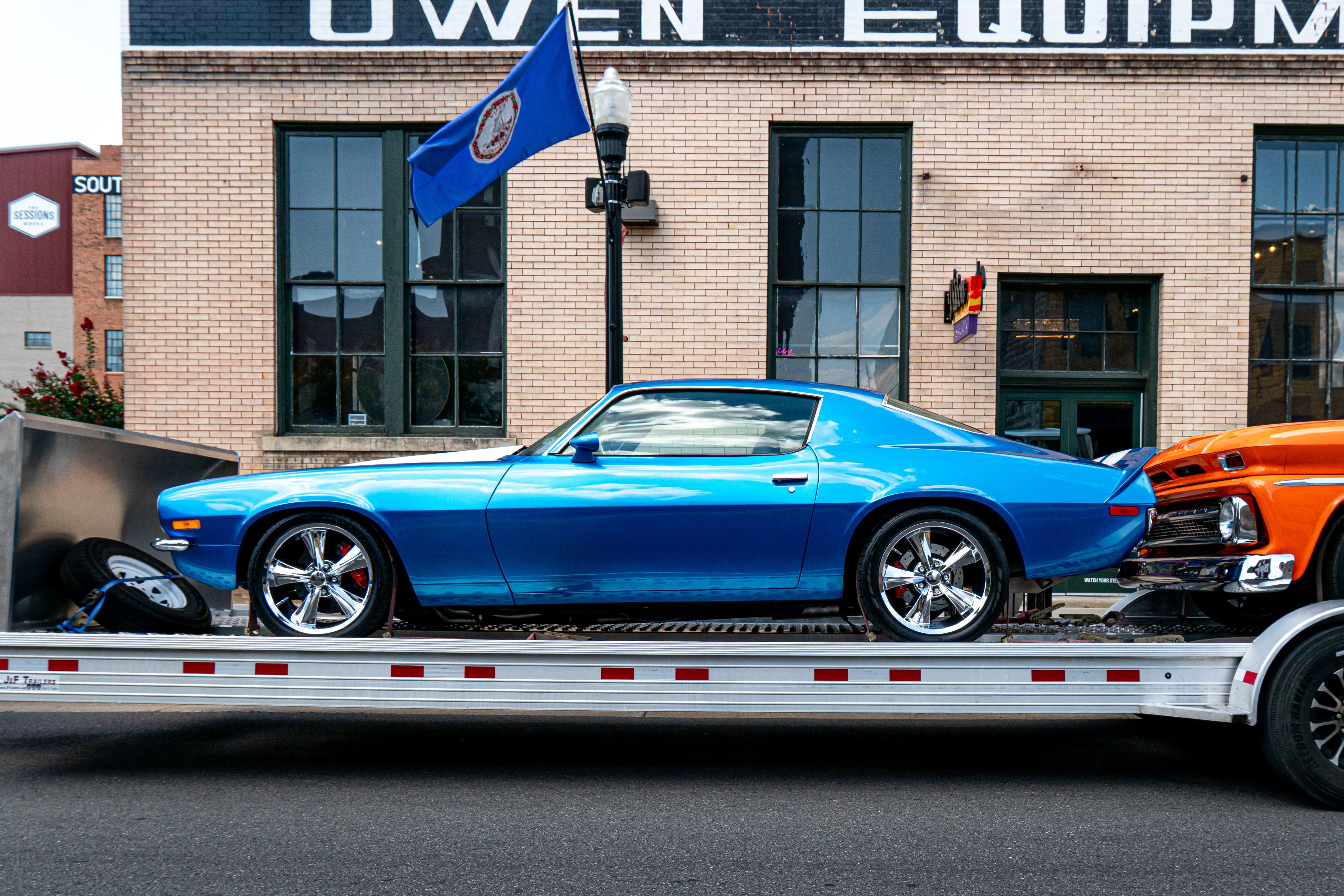
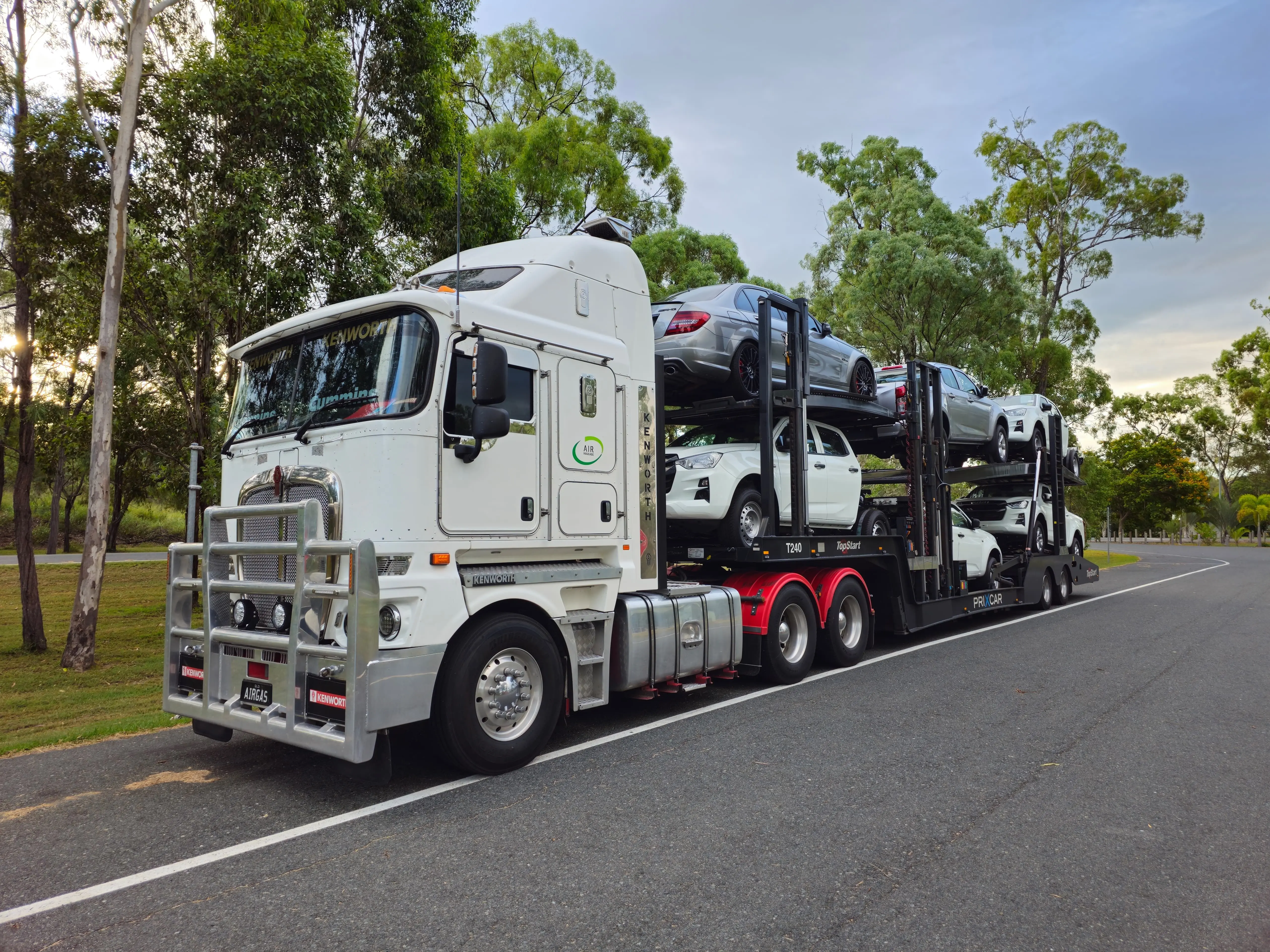
A breakdown never happens at a convenient moment, and at the roadside the first job is getting safe. After that, what you need is someone arriving within a sensible time and taking the vehicle where you choose, not where a policy finds convenient. We run breakdown recovery in Vigo around the clock, on flatbeds, with the price fixed before we set off.
Port activity in Vigo means a constant flow of vehicles entering and leaving the country. Plenty of moves therefore carry import or export documentation, and a paperwork error can immobilise a vehicle for longer than any mechanical fault.
What makes Vigo different
Vigo is a regular destination for our work, and it comes with conditions of its own. Vigo hosts one of Spain's largest car manufacturing plants, and its port is a European reference point for finished-vehicle export. There is a sharp height difference between the port and the upper districts, with genuinely steep streets in between.
The AP-9 links the Galician Atlantic axis and is the main route for moves towards A Coruña or the Portuguese border.
Broken down on the road: first steps
The most common mistake after a breakdown is staying inside the vehicle on a motorway hard shoulder, statistically one of the more dangerous places you can be. Mark the vehicle, get out on the side away from traffic, and stand behind the crash barrier.
With the situation made safe, you can assess the problem. Note any warning lights that appeared before you stopped, along with any noises, smells or smoke — that information speeds up the diagnosis considerably when we arrive.
What determines arrival time
The most useful thing a caller can do to shorten the wait is give a precise location: kilometre marker and direction of travel on a road, or exact address and landmarks in a town. Phone location sharing helps a great deal.
Mentioning the vehicle type and whether it rolls matters too. Sending the right truck first time avoids the worst outcome, which is a second trip with the correct equipment.
When you should not restart the engine
The urge to make it to the garage under your own power is understandable but usually expensive. With oil pressure compromised, an engine can destroy itself within minutes of running, and no warranty covers that.
The same applies to transmissions. An automatic gearbox that has lost fluid or is making unusual noises should not turn a wheel. On four-wheel-drive vehicles, towing with wheels on the road can damage the drivetrain outright, making flatbed transport the only safe option.
In Vigo it is worth distinguishing a door-to-door move from one ending inside the port area: access requirements and waiting times are nothing alike.
How your vehicle is covered while it is being moved
Before handing keys to anyone, ask one specific question: is the vehicle covered while it sits on the transporter, for how much, and against what. An operator working legally and registered with the Spanish Ministry of Transport can evidence that without difficulty.
The carrier's cover is not the same as your own motor policy. Your insurance covers driving; during transport it is the carrier's goods-in-transit policy that responds. Confusing the two is behind most of the disputes that arise.
The legal position: when transport stops being optional
A vehicle without a valid ITV, without insurance, or on temporary deregistration cannot legally be driven on public roads. The Dirección General de Tráfico (DGT) is unambiguous here, and the penalty falls on the registered keeper. Moving it by truck is not a matter of preference — it is the only lawful option.
Royal Decree 920/2017 governing the ITV roadworthiness test sets out the narrow circumstances in which a vehicle may travel to a test station, and outside that specific case driving it is prohibited. That distinction is worth understanding before assuming you can drive to the garage.
Common breakdowns that end in recovery
Starting faults account for a large share of call-outs, and it is not always the battery — the starter motor, the alternator or an immobiliser fault produce similar symptoms. Telling them apart on site avoids recovering a car that a jump lead would have solved.
Some symptoms mean stop and do not restart: temperature in the red, oil pressure warning lit, a burning smell, or a new metallic noise. Pressing on in those cases turns a moderate repair into a major one.
Where we take the vehicle
Many drivers prefer their own trusted garage even if it is further away, and that is a reasonable call: someone who knows the car's history diagnoses faster and the repair is often cheaper.
On long-distance moves, taking the vehicle straight to the destination garage rather than an intermediate one saves a second job. It is worth considering from the first phone call.
When it pays not to use your policy cover
It is worth reading what your assistance actually covers before you need it. Many policies tow only to the nearest approved garage, which can leave the vehicle a hundred kilometres from where you want it.
There is one situation where policy assistance does not apply at all: a vehicle without a valid ITV or without insurance. Transport then has to be arranged separately, and it helps to know that before you are stranded.
Other services in Vigo
You can read more about breakdown recovery or browse all our services. For a specific quote in Vigo, the quickest route is to get in touch.
Things to check before booking
Get the name and number of the driver handling the job, or at least a direct operational contact. On the day, being able to resolve a question in two minutes prevents an hour of waiting.
If you need the vehicle by a fixed, immovable date, say so when booking rather than afterwards. With enough notice it can almost always be accommodated; with twenty-four hours, often not.
If the move is a private sale, coordinate payment and key handover clearly. The carrier moves the vehicle; it takes no part in the transaction.
If the collection is from a building with a communal garage, tell the manager or concierge. A transporter manoeuvring on a shared ramp without warning creates avoidable friction with neighbours.
Keep the job reference or delivery note. If you later need to evidence the move to an insurer, a workshop or the authorities, that document proves when and how the vehicle was moved.
Ask whether the price includes waiting time at loading and unloading. On moves to workshops, dealerships or compounds with slow procedures, that time can stretch, and it is worth knowing in advance how it is counted.
Know where the spare wheel and tools are if the vehicle carries them. On long moves, a loose item in the boot shifts during the journey and can damage the interior or the trim.
Check whether your own policy covers the vehicle while it sits at a third-party workshop or compound. It is a frequent gap between the end of transport and the start of repair, and worth clarifying.
If you are selling the vehicle and the buyer arranges transport, put in writing when responsibility passes. It is normally at key handover, but both parties benefit from having it stated.
If you will not be present at collection or delivery, put in writing who hands over and who receives the keys, with a phone number. This is the single most common cause of avoidable delay.
Make sure the alarm is disabled, or that the driver knows how to disable it. An alarm going off in transit means stopping and complicates the job for no reason.
Bear in mind that in peak periods — summer, or the start and end of the season — lead times stretch. Booking ahead is the simple way around it.
If the destination is an ITV test station, confirm you have a booked appointment and the time. Matching the vehicle's arrival to the appointment slot avoids long waits and a second visit.
On long moves, asking how many loading and unloading points the truck has helps explain the timescale. A truck making several stops takes longer than a direct run.
Keep the job documentation recording the vehicle's condition. It is the reference point if a question about damage and its timing comes up later.
Before the truck arrives, take the documentation, spare keys and anything valuable out of the vehicle. It travels unaccompanied, and items left inside are not covered as luggage.
If the vehicle has been in an accident, say what is damaged and whether the wheels still turn. A vehicle that will not roll needs a winch and sometimes dollies.
Check the overall height if the vehicle is a van, a camper or a 4x4 with roof accessories. The vehicle's height plus the deck height determines what the loaded truck can pass under.
Where a tailgate or bonnet no longer closes properly after an impact, secure it before loading. A tailgate that springs open at eighty kilometres an hour is a genuine hazard to other traffic.
Before confirming, check the quote is fixed rather than an estimate subject to surcharges. Extras for difficult access or a non-rolling vehicle should be clear from the outset.
On vehicles with large-diameter wheels and low-profile tyres, the approach to the ramps needs more care. It is worth mentioning so the right angle is prepared and the tyre or rim is not scuffed.
A vehicle leaking oil or fuel should be flagged before transport. It does not prevent the move, but it affects where the car sits on the deck and what protection goes underneath it.
Realistic timescales depend on distance and route, not optimism. A company that promises any deadline without asking where the vehicle is probably will not meet it.
For vehicles with bulky modifications or accessories — roof racks, bike carriers, bull bars — mention them. They can affect the overall height of the loaded truck and whether it clears certain access points.
If the vehicle is in an underground car park, check the clearance height first. Many garages cannot take a transporter and the car has to be brought up to street level.
Be wary of quotes well below market rate. In vehicle transport, a low price usually means no goods-in-transit insurance, no operating authorisation, or neither.
In summary
In short: in Vigo what makes the difference is a realistic timescale, a fixed price with no extras, and a move documented from start to finish. That is exactly what we provide, at any hour.
Broken down in Vigo? Call us
One number, any hour. We tell you how long we will be and what it costs before we set off.