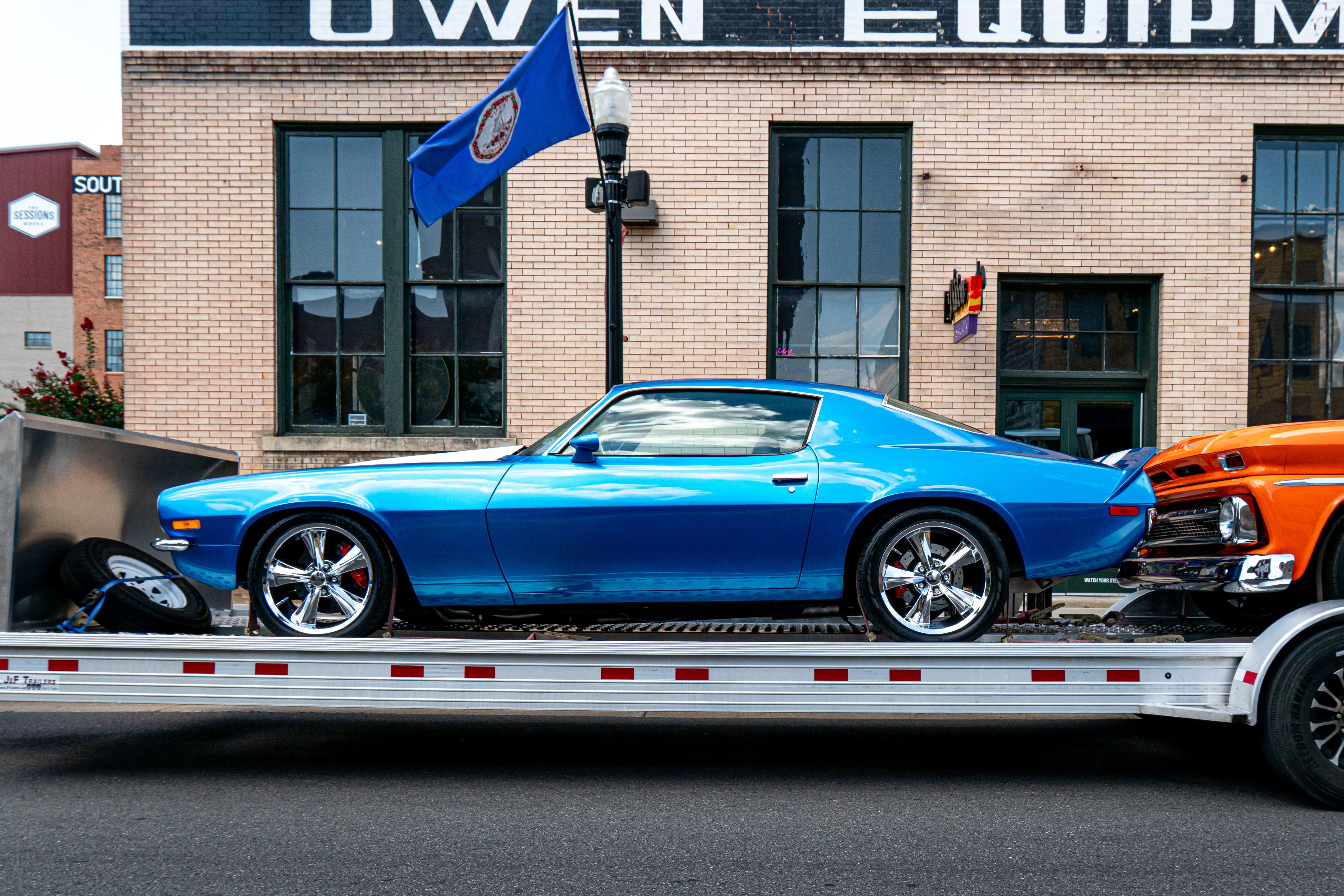
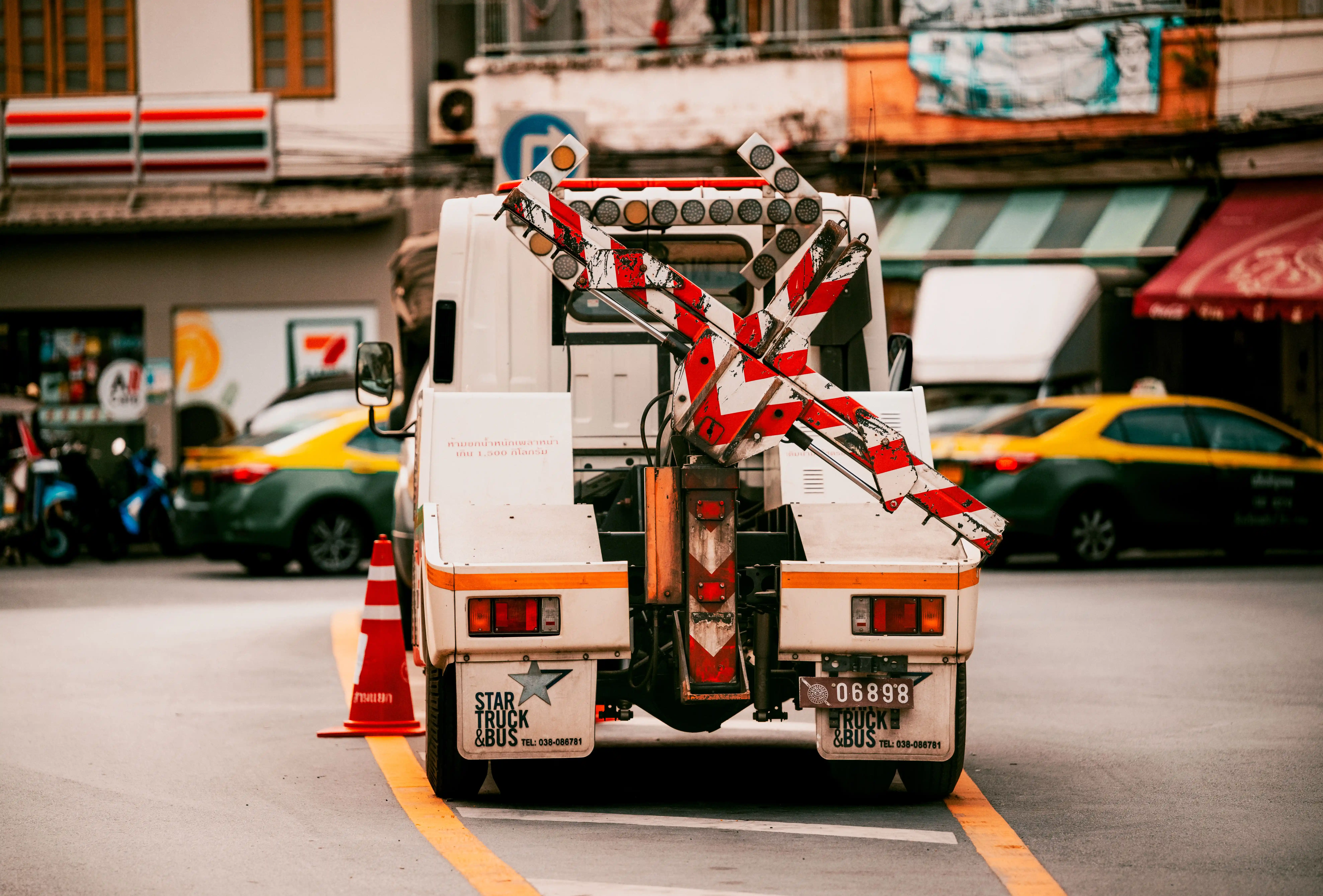
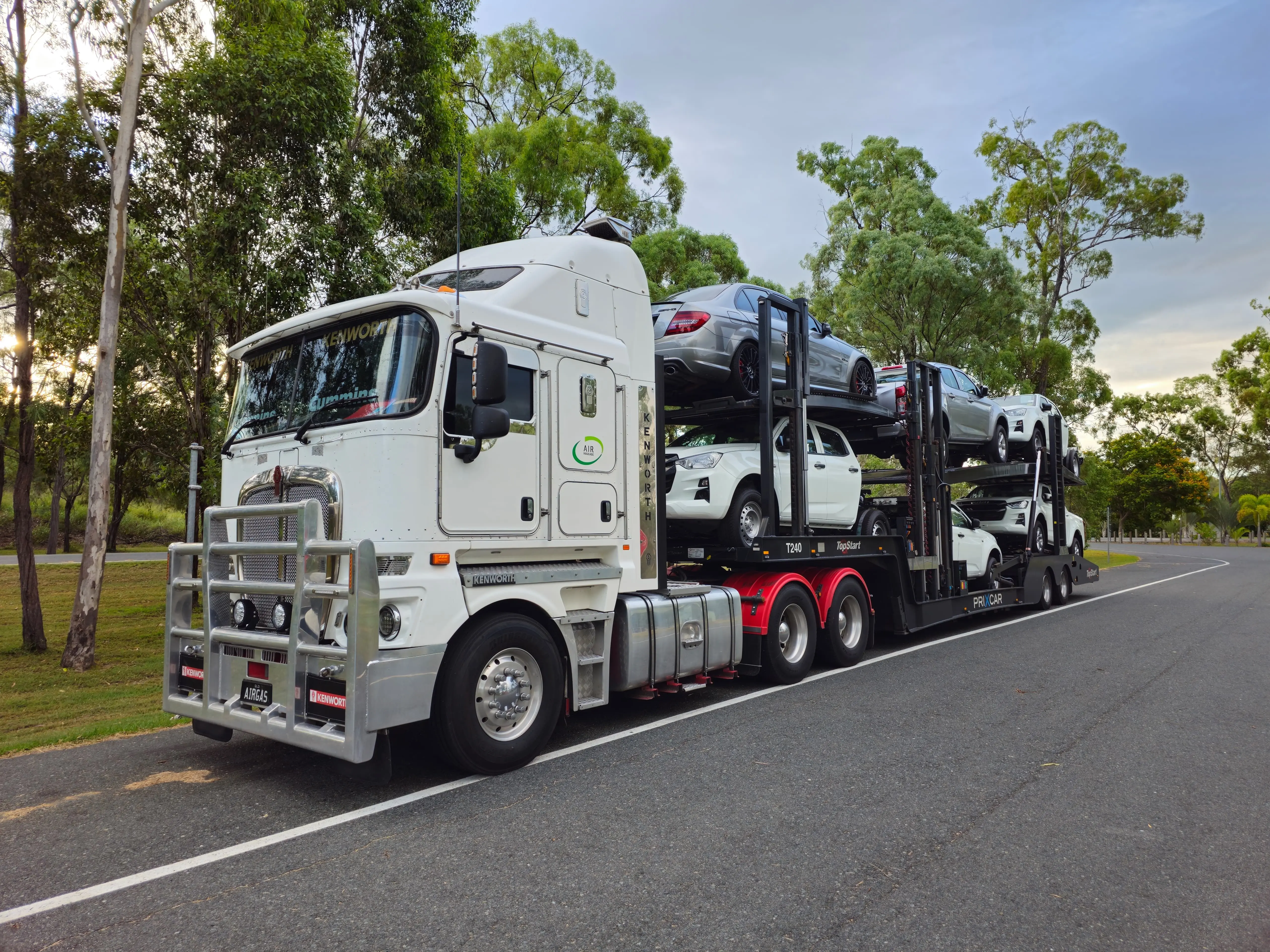
A car stopped on the hard shoulder is uncomfortable and, more to the point, unsafe. In Murcia we take breakdown calls at any hour of the day or night, with flatbed vehicles that move the car without putting any further strain on it and without adding kilometres to an engine that is already in trouble.
In Murcia the main constraint is reaching the centre. Historic quarters and restricted traffic zones limit which vehicles can get close, and the answer is often to agree an accessible meeting point rather than force an impossible street.
Moving a vehicle in Murcia: what to know
The A-30 and A-7 link it to Cartagena, Alicante and Andalusia. The metropolitan area is organised around numerous scattered outlying districts.
Murcia sits at the centre of a highly productive farming region with many agricultural and commercial vehicles. For general background on the area, the Murcia entry on Wikipedia covers the basics.
What determines the price of a recovery
A serious quote follows three questions: where is the vehicle, where is it going, and what condition is it in. Without those, any figure is a guess that will probably change.
On long-distance moves the cost per kilometre falls compared with a short urban job, because the fixed cost of turning out is spread further. Ask for the total rather than a per-kilometre rate.
Before you call anyone
The most common mistake after a breakdown is staying inside the vehicle on a motorway hard shoulder, statistically one of the more dangerous places you can be. Mark the vehicle, get out on the side away from traffic, and stand behind the crash barrier.
With the situation made safe, you can assess the problem. Note any warning lights that appeared before you stopped, along with any noises, smells or smoke — that information speeds up the diagnosis considerably when we arrive.
Because Murcia is a road junction, long-distance moves from here usually have more route options and therefore more scheduling flexibility.
Signs to switch off and leave it
Four signals mean switch off and do not try again: the oil pressure light, the temperature gauge in the red, a new internal metallic noise, and any smell of burning. In those situations transport is not a convenience — it is how you limit the damage.
Overheating deserves separate mention. An engine that has run without sufficient coolant may have distorted the cylinder head, and restarting it to cover a few kilometres to the garage can turn a manageable repair into a full engine replacement.
The legal position: when transport stops being optional
A vehicle without a valid ITV, without insurance, or on temporary deregistration cannot legally be driven on public roads. The Dirección General de Tráfico (DGT) is unambiguous here, and the penalty falls on the registered keeper. Moving it by truck is not a matter of preference — it is the only lawful option.
Royal Decree 920/2017 governing the ITV roadworthiness test sets out the narrow circumstances in which a vehicle may travel to a test station, and outside that specific case driving it is prohibited. That distinction is worth understanding before assuming you can drive to the garage.
How your vehicle is covered while it is being moved
Before handing keys to anyone, ask one specific question: is the vehicle covered while it sits on the transporter, for how much, and against what. An operator working legally and registered with the Spanish Ministry of Transport can evidence that without difficulty.
The carrier's cover is not the same as your own motor policy. Your insurance covers driving; during transport it is the carrier's goods-in-transit policy that responds. Confusing the two is behind most of the disputes that arise.
Realistic response times
The most useful thing a caller can do to shorten the wait is give a precise location: kilometre marker and direction of travel on a road, or exact address and landmarks in a town. Phone location sharing helps a great deal.
Mentioning the vehicle type and whether it rolls matters too. Sending the right truck first time avoids the worst outcome, which is a second trip with the correct equipment.
What actually fails at the roadside
Starting faults account for a large share of call-outs, and it is not always the battery — the starter motor, the alternator or an immobiliser fault produce similar symptoms. Telling them apart on site avoids recovering a car that a jump lead would have solved.
Some symptoms mean stop and do not restart: temperature in the red, oil pressure warning lit, a burning smell, or a new metallic noise. Pressing on in those cases turns a moderate repair into a major one.
Electric and hybrid vehicle breakdowns
The share of electric and hybrid vehicles on the road grows every year, and call-outs involving them grow with it. The main practical difference is that these vehicles must always travel on a flatbed, without exception, and that securing points must respect the location of the battery pack.
The destination changes too. A broken-down EV cannot go to just any garage — it needs an authorised workshop with high-voltage trained technicians, and that is worth confirming before agreeing a delivery point.
Other services in Murcia
More on breakdown recovery and on the rest of our services. If you would rather we called you, leave your details on the contact page and we will assess your case in Murcia.
Details worth keeping in mind
On classic vehicles with carburettors or older systems, say whether the engine needs any particular starting procedure. If it has to be moved even a few metres, that information saves time.
Photograph the vehicle before loading, including all four corners, the roof and underneath if you can. It takes two minutes and settles any later disagreement about a scratch.
If the collection is from a building with a communal garage, tell the manager or concierge. A transporter manoeuvring on a shared ramp without warning creates avoidable friction with neighbours.
Check whether your own policy covers the vehicle while it sits at a third-party workshop or compound. It is a frequent gap between the end of transport and the start of repair, and worth clarifying.
If the vehicle is in an underground car park, check the clearance height first. Many garages cannot take a transporter and the car has to be brought up to street level.
Check the handbrake works and that the vehicle can be secured on the deck. If it cannot, there are solutions, but it is better known in advance.
If the vehicle has been in an accident, say what is damaged and whether the wheels still turn. A vehicle that will not roll needs a winch and sometimes dollies.
If the vehicle has any quirk — lowered suspension, an automatic gearbox locked in park, a flat battery — mention it when requesting the quote so the right equipment turns up.
Moving several vehicles together usually works out considerably cheaper per unit than separate jobs. If you have more than one to move, it is worth quoting them as one.
If you are selling the vehicle and the buyer arranges transport, put in writing when responsibility passes. It is normally at key handover, but both parties benefit from having it stated.
If the vehicle is on rural land or at the end of an unsurfaced track, state the distance from the tarmac road. An articulated truck cannot enter every lane, and sometimes the car has to be brought out to a meeting point.
In low-emission zones, verify whether the transport truck can enter during the planned time window. Many restrictions apply to heavy vehicles even where the car being carried would itself be allowed through.
If the move includes a sea crossing, check what documentation the ferry operator requires for the vehicle. The registration document and owner details are usually needed, and a missing paper means missing the sailing.
On keyless-start vehicles, remember the fob must travel with you or be handed over at the destination, but never left inside the car in transit. It is a more common oversight than you would think and leaves the vehicle locked on arrival.
Before confirming, check the quote is fixed rather than an estimate subject to surcharges. Extras for difficult access or a non-rolling vehicle should be clear from the outset.
On long moves, asking how many loading and unloading points the truck has helps explain the timescale. A truck making several stops takes longer than a direct run.
A vehicle leaking oil or fuel should be flagged before transport. It does not prevent the move, but it affects where the car sits on the deck and what protection goes underneath it.
Bear in mind that in peak periods — summer, or the start and end of the season — lead times stretch. Booking ahead is the simple way around it.
Realistic timescales depend on distance and route, not optimism. A company that promises any deadline without asking where the vehicle is probably will not meet it.
Ask whether the price includes waiting time at loading and unloading. On moves to workshops, dealerships or compounds with slow procedures, that time can stretch, and it is worth knowing in advance how it is counted.
If the move is a private sale, coordinate payment and key handover clearly. The carrier moves the vehicle; it takes no part in the transaction.
On moves crossing several autonomous communities, bear in mind that heavy vehicle driving restrictions vary at weekends and on public holidays. That can affect the specific delivery day.
Before collection, check no personal documents are left in the glovebox. It is where forgotten paperwork most often turns up, and some of it contains details you would not want travelling unsupervised.
If the vehicle contains fuel cans or any flammable material, remove it beforehand. Dangerous goods transport is governed by its own regulations and cannot travel mixed in with the vehicle.
For vehicles with bulky modifications or accessories — roof racks, bike carriers, bull bars — mention them. They can affect the overall height of the loaded truck and whether it clears certain access points.
Flag it if the vehicle has stood unused for a long period. Flat tyres, seized brakes or a completely dead battery all change how it has to be loaded.
If you need the vehicle by a fixed, immovable date, say so when booking rather than afterwards. With enough notice it can almost always be accommodated; with twenty-four hours, often not.
In summary
Car Transport 247 works across Murcia and the whole of Spain, 24 hours a day, with goods-in-transit cover for the journey and the price fixed before we start. Tell us your situation and we will give you an honest answer on how it works and what it costs.
Immediate assistance in Murcia
We operate 24 hours a day. Tell us where you are and what has happened, and we will give you a price and a time.