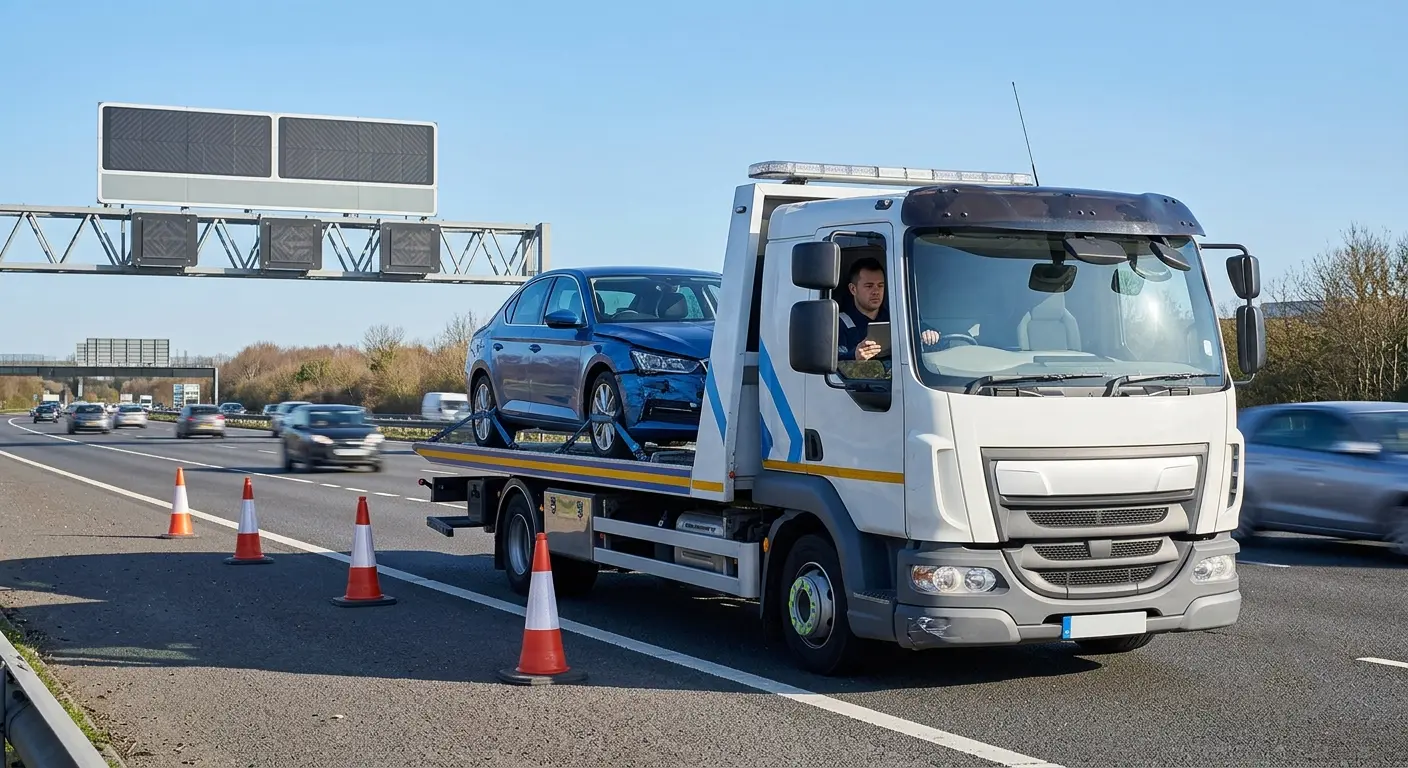
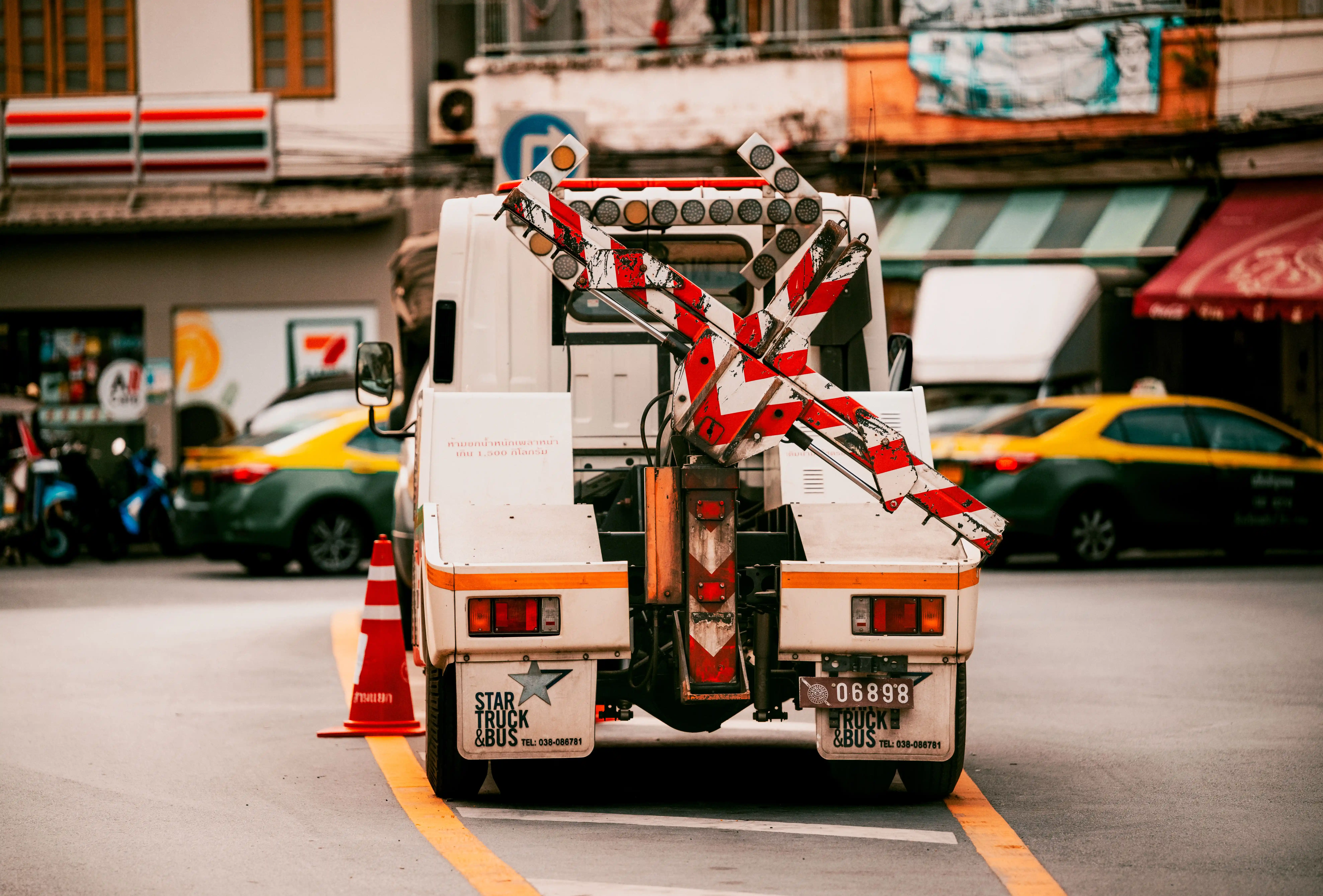
A vehicle that has taken an impact can look driveable without being so — misaligned steering, a compromised brake circuit or a deformed structure do not always show. That is why flatbed transport is the only sensible option. We work across Cartagena recovering damaged vehicles with winch, skates and a photographic record taken before anything moves.
Working in a port city like Cartagena has one very practical consequence: a good share of moves end at a terminal rather than a front door, with entry windows, access control and paperwork that has to be ready in advance. A truck that turns up without the right documents loses its slot, and with it the day.
What makes Cartagena different
The AP-7 and A-30 connect it to Murcia and the wider Mediterranean corridor. Its compact historic centre contrasts sharply with the open industrial zones around the port.
Cartagena combines a commercial port, a naval base and a major petrochemical cluster in the Escombreras valley. For general background on the area, the Cartagena entry on Wikipedia covers the basics.
Getting a car out of the pound
When a damaged vehicle is taken to a compound, every day of storage adds cost. Getting it out promptly is almost always the economically sensible move, and doing so requires the owner's documentation and often specific authorisation.
If the vehicle is not roadworthy — and after an accident it rarely is — it has to leave the compound on a flatbed. It is worth checking the compound's opening hours, which are frequently restricted.
What happens to an unrepairable car
A vehicle is written off when the repair cost exceeds its market value, or when structural damage makes a safe repair impossible. At that point it normally goes to an authorised treatment facility for permanent deregistration.
That final move is still the transport of a vehicle unfit for the road, with the same requirements as any other. It cannot be driven there even if the engine starts.
Transport insurance: the question always worth asking
Before handing keys to anyone, ask one specific question: is the vehicle covered while it sits on the transporter, for how much, and against what. An operator working legally and registered with the Spanish Ministry of Transport can evidence that without difficulty.
The carrier's cover is not the same as your own motor policy. Your insurance covers driving; during transport it is the carrier's goods-in-transit policy that responds. Confusing the two is behind most of the disputes that arise.
Port activity in Cartagena also means work happens outside standard office hours. A service that only operates nine to five fits badly with terminal reality.
Accident: immediate priorities
After a collision the car is last on the list. First the safety of the occupants and of other traffic, then the emergency call, and only then an assessment of the damage.
One detail that is often forgotten: photograph the scene before the vehicles are moved. Once they have been shifted, reconstructing their relative positions is much harder and can complicate the question of liability.
When the damaged car is something special
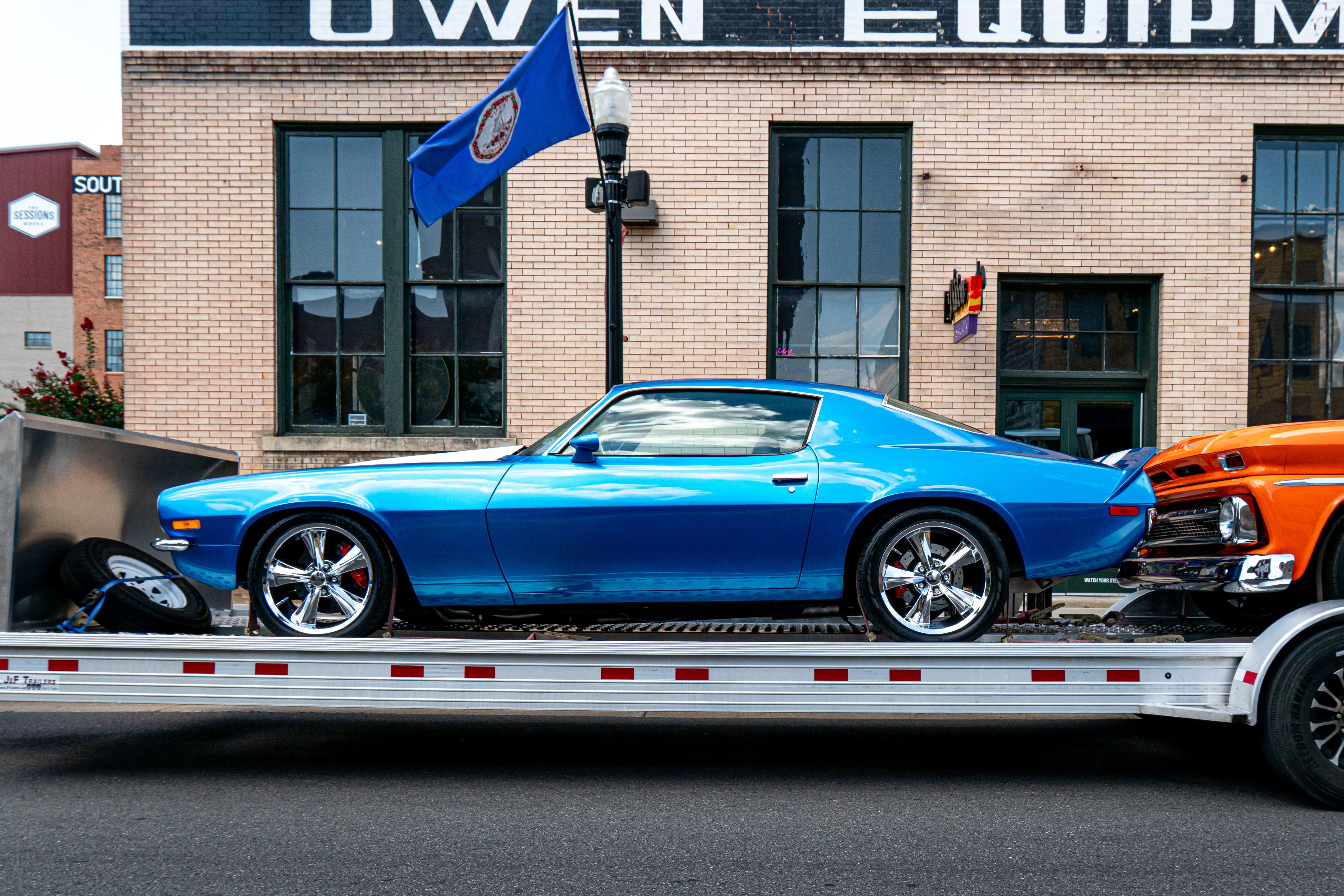
With a classic or high-value vehicle, post-accident transport carries an extra requirement: not worsening the existing damage or adding to it. That may mean enclosed transport, specific securing points and additional bodywork protection.
The documentation changes too. On valuable vehicles a particularly detailed photographic record before loading is worth the time, because the loss assessment afterwards will be equally detailed.
How quickly a damaged vehicle is cleared
When the vehicle is obstructing the carriageway, clearance is urgent and treated as such. Once it is somewhere safe or already in a compound, the move can be scheduled with more flexibility, which usually makes it cheaper.
Distinguishing between those two situations when you call helps organise the job properly. A genuine emergency is attended immediately; a scheduled move allows the route and the cost to be optimised.
What the law says about moving a vehicle that cannot be driven
Driving without a current ITV carries a fine and can result in the vehicle being immobilised under the rules the Dirección General de Tráfico (DGT) enforces. There is a larger problem behind it: in the event of an accident, your insurer may reduce or refuse cover entirely.
Royal Decree 920/2017 governing the ITV roadworthiness test allows a limited exception for travelling to a booked inspection, but it does not permit normal use of the vehicle. Any other journey requires it to be carried on a transporter.
The technique for recovering a wreck
When wheels will not turn — seized brakes, a crushed wing, axle damage — loading is done with a winch and, where necessary, skates placed under the affected wheels. The aim is to get the vehicle up without dragging bodywork or worsening the damage.
Securing on the deck uses the structural points the manufacturer specifies. Strapping through suspension components or deformed panels is a common error that can add damage during the journey.
Other services in Cartagena
More on accident vehicle recovery and on the rest of our services. If you would rather we called you, leave your details on the contact page and we will assess your case in Cartagena.
Things to check before booking
If you are selling the vehicle and the buyer arranges transport, put in writing when responsibility passes. It is normally at key handover, but both parties benefit from having it stated.
Before confirming, check the quote is fixed rather than an estimate subject to surcharges. Extras for difficult access or a non-rolling vehicle should be clear from the outset.
Bear in mind that in peak periods — summer, or the start and end of the season — lead times stretch. Booking ahead is the simple way around it.
An accessible collection point saves both time and money. If the street is narrow or the garage has restricted headroom, agreeing a nearby spot where the truck can manoeuvre simplifies everything.
Agree who signs for the vehicle at the destination. If it arrives at a closed workshop or an address where nobody is present, the driver cannot simply leave it, and waiting time or a second attempt both cost money.
Flag it if the vehicle has stood unused for a long period. Flat tyres, seized brakes or a completely dead battery all change how it has to be loaded.
For vehicles with bulky modifications or accessories — roof racks, bike carriers, bull bars — mention them. They can affect the overall height of the loaded truck and whether it clears certain access points.
Realistic timescales depend on distance and route, not optimism. A company that promises any deadline without asking where the vehicle is probably will not meet it.
If the vehicle is in an underground car park, check the clearance height first. Many garages cannot take a transporter and the car has to be brought up to street level.
Moving several vehicles together usually works out considerably cheaper per unit than separate jobs. If you have more than one to move, it is worth quoting them as one.
If you will not be present at collection or delivery, put in writing who hands over and who receives the keys, with a phone number. This is the single most common cause of avoidable delay.
Always ask whether the price covers collection and delivery at the points you need, or refers to a terminal-to-terminal move. The difference in cost and convenience is considerable.
If the vehicle has been in an accident, say what is damaged and whether the wheels still turn. A vehicle that will not roll needs a winch and sometimes dollies.
Check whether your own policy covers the vehicle while it sits at a third-party workshop or compound. It is a frequent gap between the end of transport and the start of repair, and worth clarifying.
On vehicles with large-diameter wheels and low-profile tyres, the approach to the ramps needs more care. It is worth mentioning so the right angle is prepared and the tyre or rim is not scuffed.
Photograph the vehicle before loading, including all four corners, the roof and underneath if you can. It takes two minutes and settles any later disagreement about a scratch.
Keep the job reference or delivery note. If you later need to evidence the move to an insurer, a workshop or the authorities, that document proves when and how the vehicle was moved.
Ask whether the price includes waiting time at loading and unloading. On moves to workshops, dealerships or compounds with slow procedures, that time can stretch, and it is worth knowing in advance how it is counted.
If the vehicle has any quirk — lowered suspension, an automatic gearbox locked in park, a flat battery — mention it when requesting the quote so the right equipment turns up.
Check the overall height if the vehicle is a van, a camper or a 4x4 with roof accessories. The vehicle's height plus the deck height determines what the loaded truck can pass under.
If the move includes a sea crossing, check what documentation the ferry operator requires for the vehicle. The registration document and owner details are usually needed, and a missing paper means missing the sailing.
A vehicle leaking oil or fuel should be flagged before transport. It does not prevent the move, but it affects where the car sits on the deck and what protection goes underneath it.
If the destination is an ITV test station, confirm you have a booked appointment and the time. Matching the vehicle's arrival to the appointment slot avoids long waits and a second visit.
Check the handbrake works and that the vehicle can be secured on the deck. If it cannot, there are solutions, but it is better known in advance.
If the collection is from a building with a communal garage, tell the manager or concierge. A transporter manoeuvring on a shared ramp without warning creates avoidable friction with neighbours.
Have the vehicle and ownership documents ready. On moves ending at a port terminal or crossing a border, that paperwork matters as much as the vehicle itself.
Before the truck arrives, take the documentation, spare keys and anything valuable out of the vehicle. It travels unaccompanied, and items left inside are not covered as luggage.
In low-emission zones, verify whether the transport truck can enter during the planned time window. Many restrictions apply to heavy vehicles even where the car being carried would itself be allowed through.
In summary
In short: in Cartagena what makes the difference is a realistic timescale, a fixed price with no extras, and a move documented from start to finish. That is exactly what we provide, at any hour.
Had an accident in Cartagena?
We coordinate with your insurer or the compound. Tell us the situation and we will explain how we handle it.