The question that decides how we approach a job is not whether the car starts but whether the wheels turn. A vehicle that rolls goes onto the truck by winch; one with locked wheels needs skates. In Logroño we carry the equipment for both, as long as we are told in advance.
In Logroño the main constraint is reaching the centre. Historic quarters and restricted traffic zones limit which vehicles can get close, and the answer is often to agree an accessible meeting point rather than force an impossible street.
What makes Logroño different
Logroño is a regular destination for our work, and it comes with conditions of its own. Logroño sits on the Ebro corridor, with the AP-68 running towards Bilbao and Zaragoza. Rioja's wine industry generates intense seasonal logistics traffic.
The old town has pedestrianised streets with restricted access.
Documentation needed for the move
Moving a vehicle requires evidence of who the registered keeper is, or written authorisation from them. On non-runners, which often change hands, this is the point that most frequently causes delay.
If the vehicle is in a compound, a scrapyard or third-party premises, it is worth confirming in advance what documentation that specific location requires to release it.
Rolling, steering and braking: the three things we ask
When arranging transport for a stationary vehicle, the first thing we ask is whether the wheels turn freely, whether the steering moves and whether the handbrake is off. Those three answers determine what equipment is needed.
A vehicle that rolls goes onto the truck by winch without complication. One with locked wheels needs skates — rolling platforms placed under each affected wheel — and that adds time to the job.
Cover and liability during transport
A properly run move records the vehicle's condition before loading, normally photographically, and records it again at delivery. That evidence is what settles any later disagreement quickly.
It is worth confirming the company holds the relevant transport authorisation with the Spanish Ministry of Transport and a current policy. That is the difference between a professional service and someone with a hired trailer.
Cars that have stood for years
Cars stored for years in garages, on land or in outbuildings usually have the parking brake seized by corrosion. It is the most common complication and the one that most often forces improvisation when it has not been mentioned.
It is also common for the vehicle to be surrounded by stored items or wedged into a space it has not left in a long time. Clearing access before the appointment saves a significant part of the job time.
Because Logroño is a road junction, long-distance moves from here usually have more route options and therefore more scheduling flexibility.
Moving a car mid-restoration
Classic cars under restoration typically travel between specialists — bodywork, paint, trim, mechanicals. That means several moves over the life of the project, and it is worth having a carrier who knows the vehicle.
If the vehicle is partly dismantled, loose parts should be secured or boxed before transport. Anything loose inside the vehicle will move during the journey.
Garages, scrapyards and fleet management
Garages, dealerships and traders move non-runners regularly: part-exchanges, vehicles awaiting repair, cars destined for dismantling. For them the decisive factor is not the one-off price but reliability of timing.
Grouping several vehicles into one job reduces the cost per unit appreciably. Where there is recurring volume, planning moves in batches is almost always more efficient than handling them one at a time.
What the law says about moving a vehicle that cannot be driven
Driving without a current ITV carries a fine and can result in the vehicle being immobilised under the rules the Dirección General de Tráfico (DGT) enforces. There is a larger problem behind it: in the event of an accident, your insurer may reduce or refuse cover entirely.
Royal Decree 920/2017 governing the ITV roadworthiness test allows a limited exception for travelling to a booked inspection, but it does not permit normal use of the vehicle. Any other journey requires it to be carried on a transporter.
A car that will not start: the real options
A vehicle is described as a non-runner when it cannot move by itself, whatever the cause — mechanical, electrical, or simply the result of long immobility.
It is worth being precise about the condition when requesting a quote, because a car that rolls and can be pushed is not the same as one with locked wheels. That difference determines the equipment needed and therefore the price.
Other services in Logroño
There is more detail on non-runner transport, the full list on our services page, and you can reach us through contact for an assessment of your situation in Logroño.
Things to check before booking
Make sure the alarm is disabled, or that the driver knows how to disable it. An alarm going off in transit means stopping and complicates the job for no reason.
Ask whether the price includes waiting time at loading and unloading. On moves to workshops, dealerships or compounds with slow procedures, that time can stretch, and it is worth knowing in advance how it is counted.
Know where the spare wheel and tools are if the vehicle carries them. On long moves, a loose item in the boot shifts during the journey and can damage the interior or the trim.
Battery condition matters even for a transport job. If the vehicle has to move a few metres under its own power to get out of a garage or a parking bay, a live battery saves time and avoids resorting to auxiliary equipment.
If you are selling the vehicle and the buyer arranges transport, put in writing when responsibility passes. It is normally at key handover, but both parties benefit from having it stated.
If the destination is an ITV test station, confirm you have a booked appointment and the time. Matching the vehicle's arrival to the appointment slot avoids long waits and a second visit.
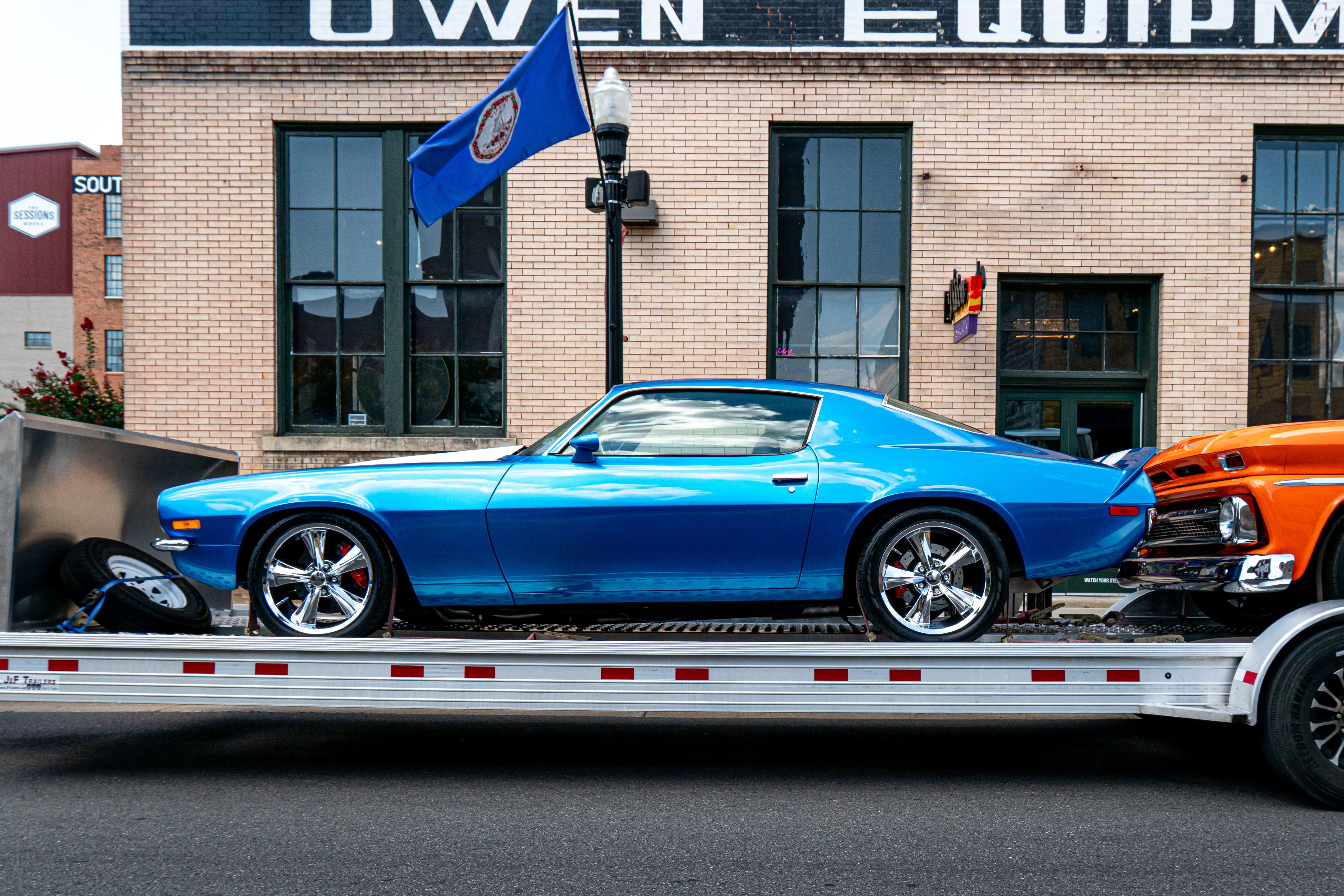
Open transporters are the standard option and perfectly safe for most vehicles. Enclosed transport makes sense for classics, high-value cars and anything with very low ground clearance.
If you will not be present at collection or delivery, put in writing who hands over and who receives the keys, with a phone number. This is the single most common cause of avoidable delay.
Keep the job reference or delivery note. If you later need to evidence the move to an insurer, a workshop or the authorities, that document proves when and how the vehicle was moved.
If you need the vehicle by a fixed, immovable date, say so when booking rather than afterwards. With enough notice it can almost always be accommodated; with twenty-four hours, often not.
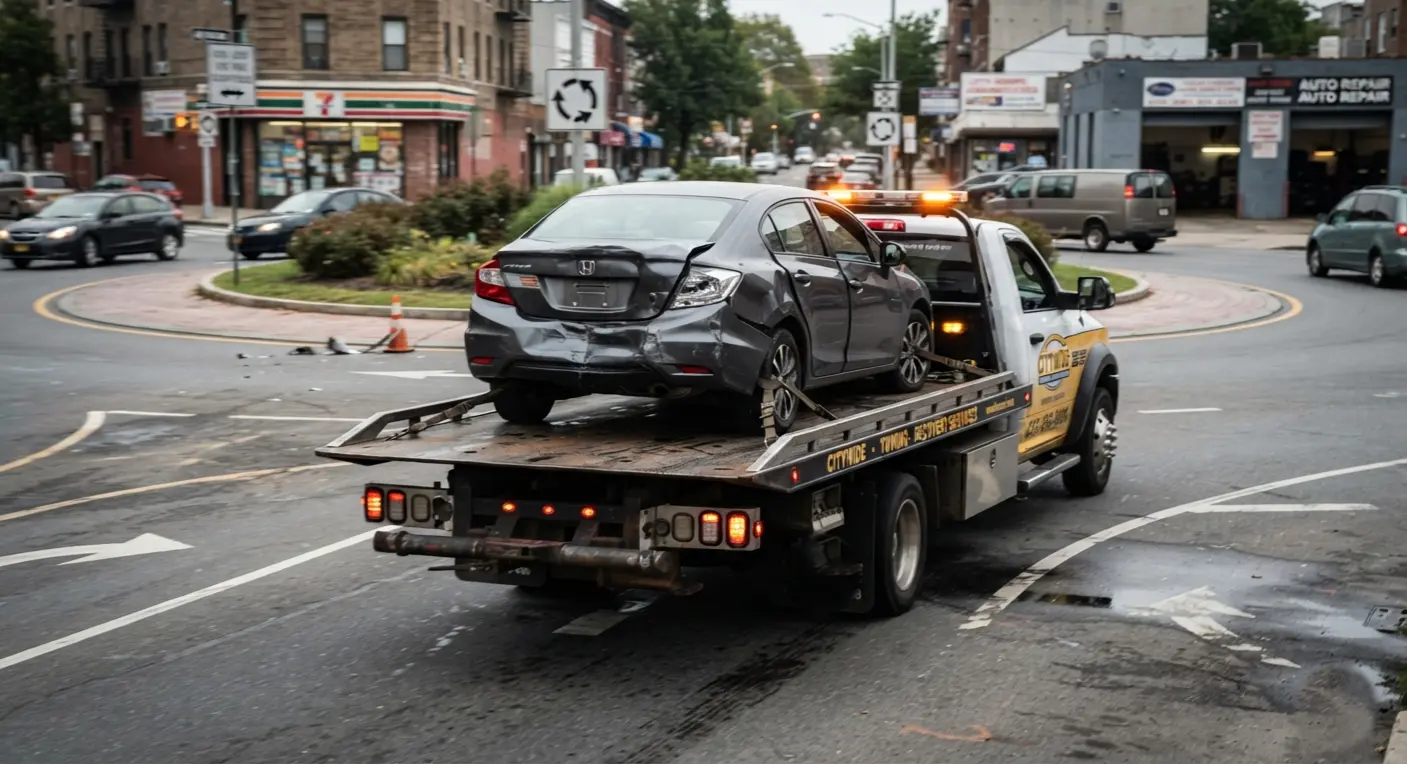
If the vehicle has been in an accident, say what is damaged and whether the wheels still turn. A vehicle that will not roll needs a winch and sometimes dollies.
If the move includes a sea crossing, check what documentation the ferry operator requires for the vehicle. The registration document and owner details are usually needed, and a missing paper means missing the sailing.
Check the overall height if the vehicle is a van, a camper or a 4x4 with roof accessories. The vehicle's height plus the deck height determines what the loaded truck can pass under.
On long moves, asking how many loading and unloading points the truck has helps explain the timescale. A truck making several stops takes longer than a direct run.
An accessible collection point saves both time and money. If the street is narrow or the garage has restricted headroom, agreeing a nearby spot where the truck can manoeuvre simplifies everything.
Before confirming, check the quote is fixed rather than an estimate subject to surcharges. Extras for difficult access or a non-rolling vehicle should be clear from the outset.
Where a tailgate or bonnet no longer closes properly after an impact, secure it before loading. A tailgate that springs open at eighty kilometres an hour is a genuine hazard to other traffic.
Be wary of quotes well below market rate. In vehicle transport, a low price usually means no goods-in-transit insurance, no operating authorisation, or neither.
Agree who signs for the vehicle at the destination. If it arrives at a closed workshop or an address where nobody is present, the driver cannot simply leave it, and waiting time or a second attempt both cost money.
For vehicles with bulky modifications or accessories — roof racks, bike carriers, bull bars — mention them. They can affect the overall height of the loaded truck and whether it clears certain access points.
If the vehicle is in an underground car park, check the clearance height first. Many garages cannot take a transporter and the car has to be brought up to street level.
Before the truck arrives, take the documentation, spare keys and anything valuable out of the vehicle. It travels unaccompanied, and items left inside are not covered as luggage.
On keyless-start vehicles, remember the fob must travel with you or be handed over at the destination, but never left inside the car in transit. It is a more common oversight than you would think and leaves the vehicle locked on arrival.
If the vehicle is on rural land or at the end of an unsurfaced track, state the distance from the tarmac road. An articulated truck cannot enter every lane, and sometimes the car has to be brought out to a meeting point.
A vehicle leaking oil or fuel should be flagged before transport. It does not prevent the move, but it affects where the car sits on the deck and what protection goes underneath it.
If the vehicle has any quirk — lowered suspension, an automatic gearbox locked in park, a flat battery — mention it when requesting the quote so the right equipment turns up.
If the collection is from a building with a communal garage, tell the manager or concierge. A transporter manoeuvring on a shared ramp without warning creates avoidable friction with neighbours.
Always ask whether the price covers collection and delivery at the points you need, or refers to a terminal-to-terminal move. The difference in cost and convenience is considerable.
If the vehicle will sit on a public street waiting for collection, check there are no timed restrictions or scheduled clearing on that road. A car towed by the local authority while waiting for transport complicates matters considerably and adds costs nobody planned for.
In summary
In short: in Logroño what makes the difference is a realistic timescale, a fixed price with no extras, and a move documented from start to finish. That is exactly what we provide, at any hour.
Moving a stationary vehicle in Logroño
We collect from garages, rural properties and units. Fixed quote with no last-minute extras.