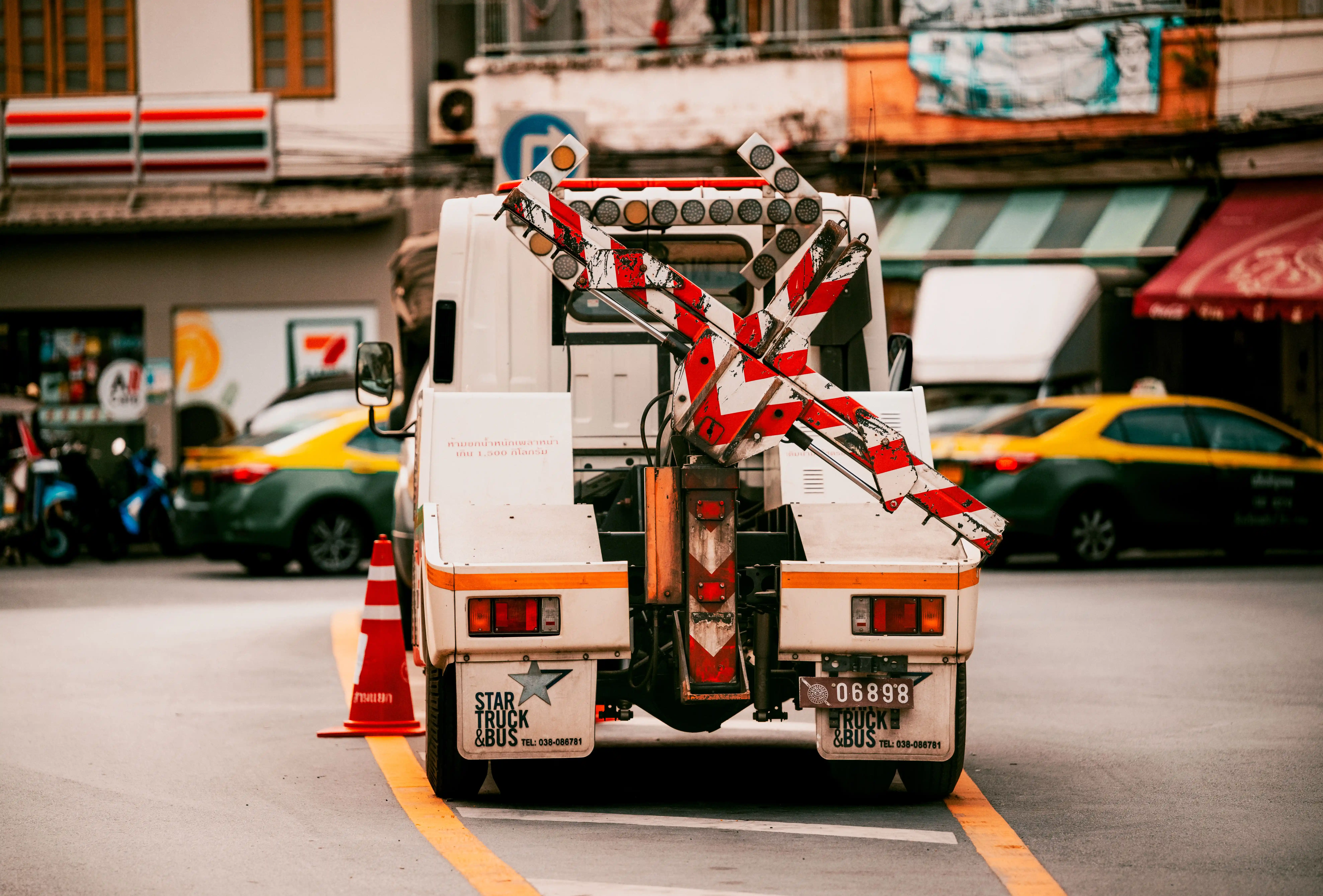
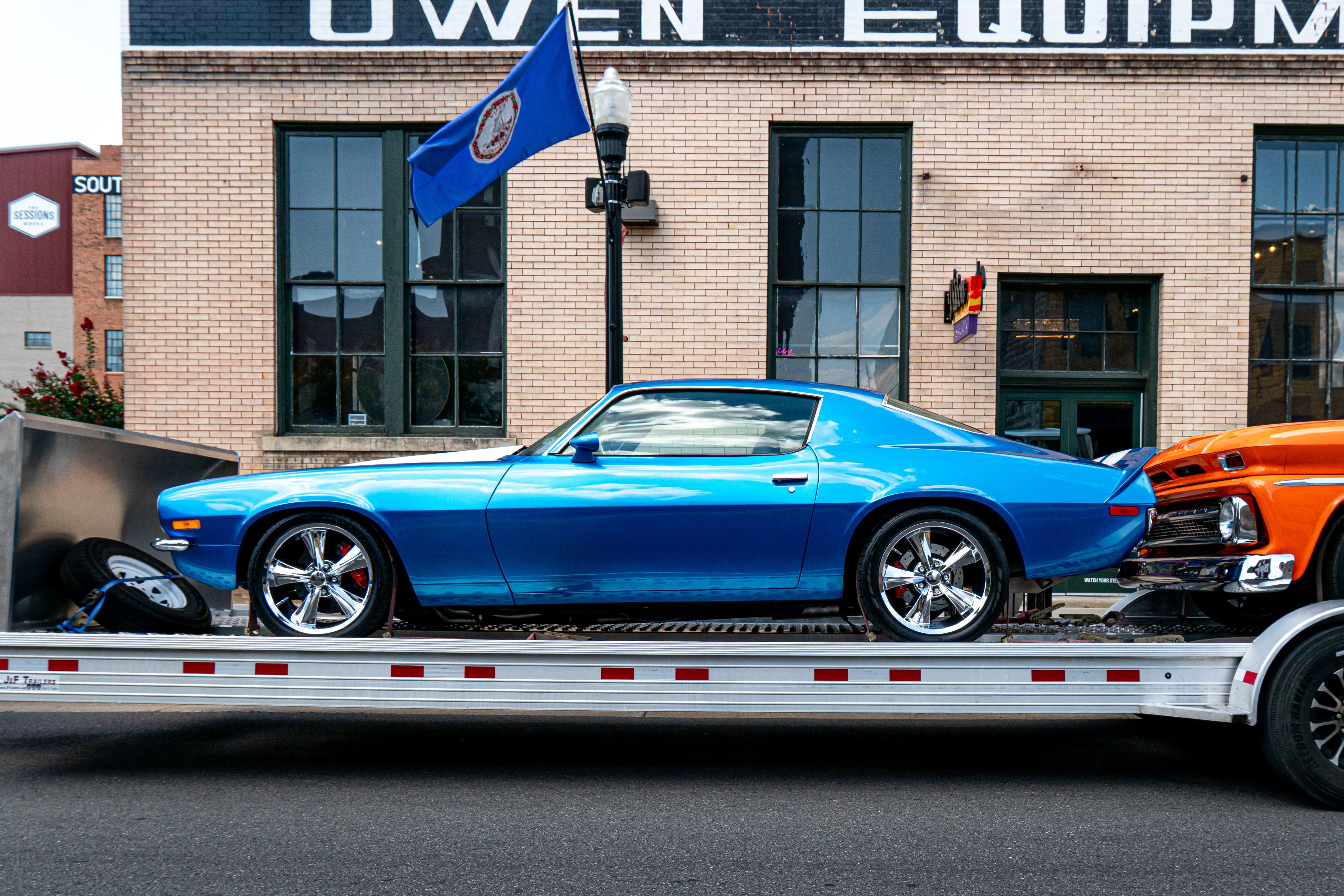
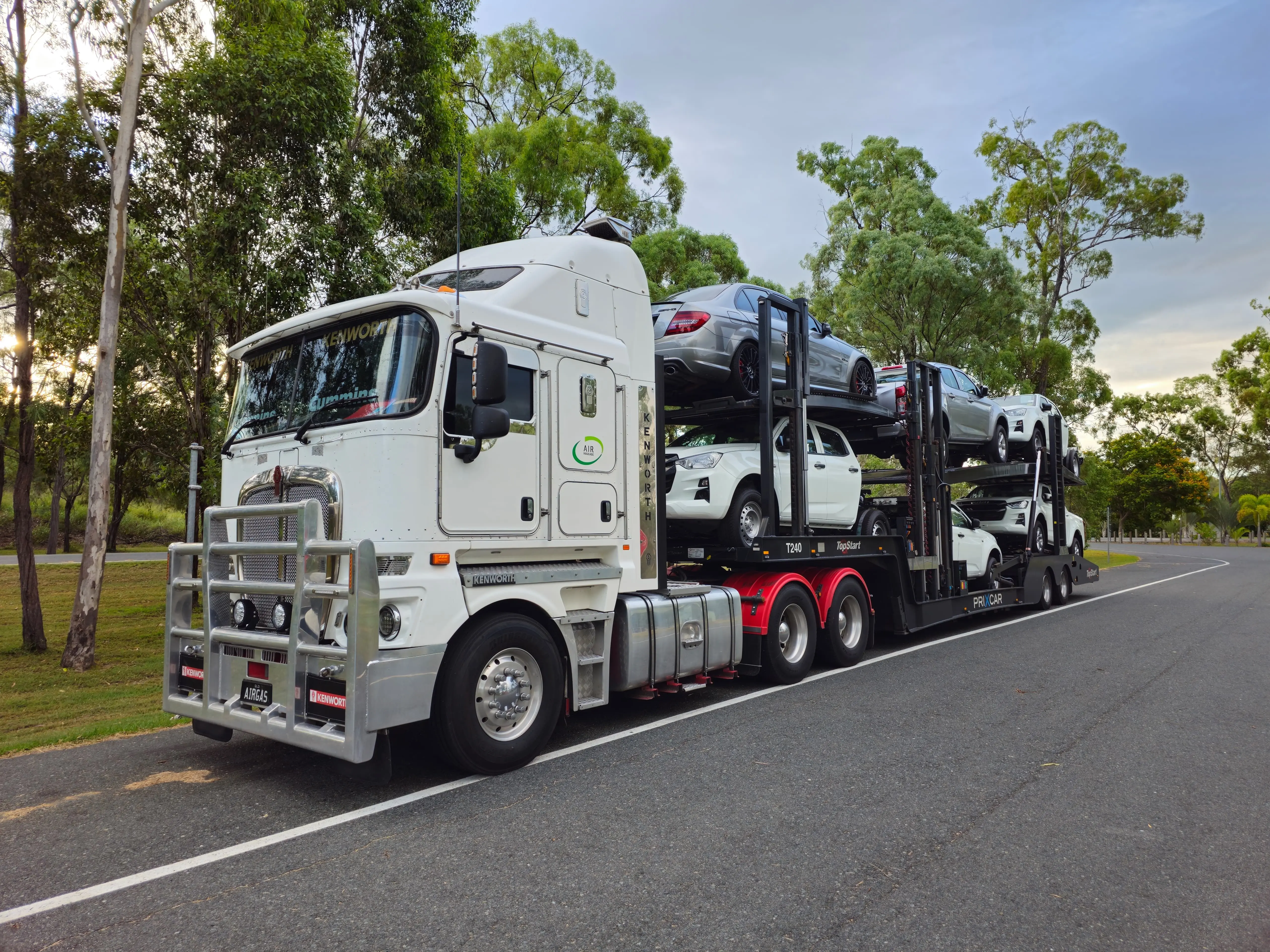
We work in Torrevieja on a simple principle: arrive when we say we will, and take the vehicle to the garage you choose. No imposed destinations and no extras appearing at the end. Flatbed recovery, goods-in-transit cover for the journey, and a fixed price from the first call.
Many properties in Torrevieja sit inside urbanisations with private access roads, garage ramps and limited headroom. Before sending a truck it is worth establishing whether it can actually reach the vehicle, or whether the car needs bringing out to an accessible point first.
What makes Torrevieja different
Scattered urbanisations across the Vega Baja stretch collection times compared with a compact town centre. The AP-7 links quickly to both Alicante and Murcia.
Torrevieja has one of the highest shares of foreign residents in Spain, and plenty of foreign-plated cars. For general background on the area, the Torrevieja entry on Wikipedia covers the basics.
Common breakdowns that end in recovery
By frequency, batteries strand more cars than anything else, followed by starting faults, engine overheating, punctures with no usable spare, and clutch or transmission failures. Modern electronics add a growing category of sensor faults that drop the car into limp mode.
Some of these can be fixed on the spot and some cannot. A flat battery can be jump-started; an engine that has lost coolant and overheated must not be restarted under any circumstances, because every further minute of running deepens damage that may already be irreversible.
What changes when the car is electric
The share of electric and hybrid vehicles on the road grows every year, and call-outs involving them grow with it. The main practical difference is that these vehicles must always travel on a flatbed, without exception, and that securing points must respect the location of the battery pack.
The destination changes too. A broken-down EV cannot go to just any garage — it needs an authorised workshop with high-voltage trained technicians, and that is worth confirming before agreeing a delivery point.
Coordinating remotely with the owner is normal in Torrevieja, so being clear about who hands over and who receives the keys prevents most problems.
When it pays not to use your policy cover
It is worth reading what your assistance actually covers before you need it. Many policies tow only to the nearest approved garage, which can leave the vehicle a hundred kilometres from where you want it.
There is one situation where policy assistance does not apply at all: a vehicle without a valid ITV or without insurance. Transport then has to be arranged separately, and it helps to know that before you are stranded.
A recovery quote, broken down
Price depends on the distance between collection and destination, the vehicle type, how difficult the access is, and the time of day. A night or public holiday call-out costs more, for obvious reasons of availability.
What should not happen is unannounced extras appearing at the end. Charges for awkward access, for a non-rolling vehicle, or for out-of-hours work belong in the original quote.
The legal position: when transport stops being optional
Spanish law draws a clear line between a vehicle fit for the road and one that is not. Where the ITV has lapsed, insurance has ended, or the vehicle is on temporary deregistration, driving it stops being legal and the Dirección General de Tráfico (DGT) can penalise it.
Beyond Royal Decree 920/2017 governing the ITV roadworthiness test, road transport of vehicles is subject to operating requirements overseen by the Spanish Ministry of Transport, including transport authorisation and goods-in-transit insurance.
Why a flatbed beats a tow
Flatbed transport also protects the underside of the vehicle, which matters on low cars and anything with sports bodywork. Shallow-angle ramps and, where needed, skates prevent the front splitter grounding during loading.
For electric and hybrid vehicles the flatbed is simply the only sensible option. Towing an EV with its driven wheels turning spins the motor as a generator and can damage the high-voltage system.
Cover and liability during transport
Cover is the detail most often skipped when booking a move. It is not enough for a company to say it is insured — the scope matters, and it should appear on the job documentation alongside the vehicle's condition at the point of loading.
Road haulage is a regulated activity requiring authorisation, overseen by the Spanish Ministry of Transport. An informal operator without authorisation or a transit policy simply shifts the whole risk onto the owner.
Breakdowns outside office hours
Breakdowns do not respect office hours, and a substantial share of call-outs come at night, at weekends or on public holidays. A service that only operates nine to five leaves the driver waiting at the worst possible moment.
Operating around the clock is more than leaving a phone switched on — it means having vehicles and crew ready to go at any hour. The difference shows in actual arrival time, not in the answerphone message.
Other services in Torrevieja
Breakdown recovery in other cities
There is more detail on breakdown recovery, the full list on our services page, and you can reach us through contact for an assessment of your situation in Torrevieja.
Practical advice for your move
Before the truck arrives, take the documentation, spare keys and anything valuable out of the vehicle. It travels unaccompanied, and items left inside are not covered as luggage.
Keep the job documentation recording the vehicle's condition. It is the reference point if a question about damage and its timing comes up later.
Keep the job reference or delivery note. If you later need to evidence the move to an insurer, a workshop or the authorities, that document proves when and how the vehicle was moved.
Be wary of quotes well below market rate. In vehicle transport, a low price usually means no goods-in-transit insurance, no operating authorisation, or neither.
A vehicle leaking oil or fuel should be flagged before transport. It does not prevent the move, but it affects where the car sits on the deck and what protection goes underneath it.
Photograph the vehicle before loading, including all four corners, the roof and underneath if you can. It takes two minutes and settles any later disagreement about a scratch.
Check the overall height if the vehicle is a van, a camper or a 4x4 with roof accessories. The vehicle's height plus the deck height determines what the loaded truck can pass under.
On classic vehicles with carburettors or older systems, say whether the engine needs any particular starting procedure. If it has to be moved even a few metres, that information saves time.
On moves crossing several autonomous communities, bear in mind that heavy vehicle driving restrictions vary at weekends and on public holidays. That can affect the specific delivery day.
If the collection is from a building with a communal garage, tell the manager or concierge. A transporter manoeuvring on a shared ramp without warning creates avoidable friction with neighbours.
On long moves, asking how many loading and unloading points the truck has helps explain the timescale. A truck making several stops takes longer than a direct run.
If the vehicle contains fuel cans or any flammable material, remove it beforehand. Dangerous goods transport is governed by its own regulations and cannot travel mixed in with the vehicle.
If the vehicle is in an underground car park, check the clearance height first. Many garages cannot take a transporter and the car has to be brought up to street level.
If you need the vehicle by a fixed, immovable date, say so when booking rather than afterwards. With enough notice it can almost always be accommodated; with twenty-four hours, often not.
Battery condition matters even for a transport job. If the vehicle has to move a few metres under its own power to get out of a garage or a parking bay, a live battery saves time and avoids resorting to auxiliary equipment.
If the move includes a sea crossing, check what documentation the ferry operator requires for the vehicle. The registration document and owner details are usually needed, and a missing paper means missing the sailing.
On vehicles with large-diameter wheels and low-profile tyres, the approach to the ramps needs more care. It is worth mentioning so the right angle is prepared and the tyre or rim is not scuffed.
Have the vehicle and ownership documents ready. On moves ending at a port terminal or crossing a border, that paperwork matters as much as the vehicle itself.
If the vehicle will sit on a public street waiting for collection, check there are no timed restrictions or scheduled clearing on that road. A car towed by the local authority while waiting for transport complicates matters considerably and adds costs nobody planned for.
Moving several vehicles together usually works out considerably cheaper per unit than separate jobs. If you have more than one to move, it is worth quoting them as one.
Realistic timescales depend on distance and route, not optimism. A company that promises any deadline without asking where the vehicle is probably will not meet it.
If the move is a private sale, coordinate payment and key handover clearly. The carrier moves the vehicle; it takes no part in the transaction.
Check the handbrake works and that the vehicle can be secured on the deck. If it cannot, there are solutions, but it is better known in advance.
Leave the fuel tank low, around a quarter. It reduces weight, follows standard transport practice, and there is nothing to gain from a full tank during the journey.
On keyless-start vehicles, remember the fob must travel with you or be handed over at the destination, but never left inside the car in transit. It is a more common oversight than you would think and leaves the vehicle locked on arrival.
If the destination is an ITV test station, confirm you have a booked appointment and the time. Matching the vehicle's arrival to the appointment slot avoids long waits and a second visit.
Check whether your own policy covers the vehicle while it sits at a third-party workshop or compound. It is a frequent gap between the end of transport and the start of repair, and worth clarifying.
An accessible collection point saves both time and money. If the street is narrow or the garage has restricted headroom, agreeing a nearby spot where the truck can manoeuvre simplifies everything.
In summary
In short: in Torrevieja what makes the difference is a realistic timescale, a fixed price with no extras, and a move documented from start to finish. That is exactly what we provide, at any hour.
Need recovery in Torrevieja?
One number, any hour. We tell you how long we will be and what it costs before we set off.